 By Isabella Dawson
A garden heritage garden fountain is a water feature modeled on historic European and early American designs, typically built from cast stone, cast iron, lead or carved limestone. This guide walks you through choosing the right style, planning its location, sizing it to your space and styling it so it looks like it has always belonged. By the end, you will have a clear plan you can sketch on graph paper before you ever shop.
What Makes a Fountain “Heritage” in Style
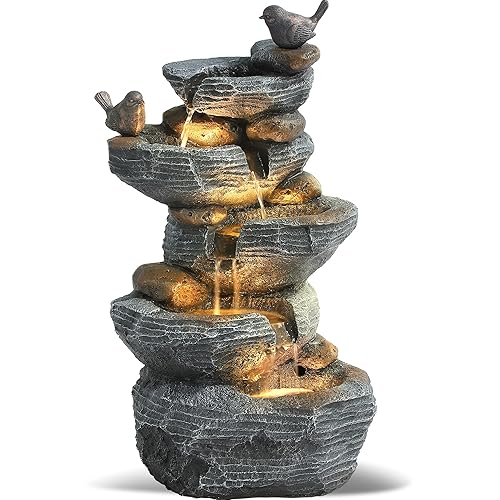
Heritage fountains draw on a few recurring traditions: classical Italian tiered basins, French Renaissance urns, English Victorian cast-iron pieces and Colonial-era stone bowls. What links them is a sense of proportion, a tactile surface that weathers well, and a water movement that is gentle rather than dramatic. If you want a fountain that reads as established rather than new, look for these traits first.
Shopping for one? See our guide: 8 Best Garden Decor for Christmas: Holiday Picks for Every Yard.
- Tiered or stepped basins that echo classical garden architecture
- Textured surfaces such as carved acanthus leaves, rope edges or fluted columns
- Weathered finishes in warm gray, buff or verdigris rather than bright white
- Low, quiet flow from a single spout, a bubbler or a trickling bowl
Heritage design also favors symmetry. A pair of benches, a clipped hedge or a matched pair of planters around the fountain reinforces the traditional feel.
Step 1: Choose Your Material
Material shapes both the look and the maintenance load. Here is how the common options compare.
| Material | Look | Weather performance | Maintenance notes |
|---|---|---|---|
| Cast stone (concrete with aggregate) | Soft, classic, carved detail | Good; can crack in hard freezes if water is trapped | Occasional sealing; algae cleaning |
| Cast iron | Ornate, Victorian character | Good when painted and kept sealed | Repaint every few years; check for rust |
| Carved limestone or marble | Authentic, luxurious | Durable, but acid rain and algae can stain | Gentle cleaning only |
| Fiberglass or resin with stone finish | Convincing replica look | Very good; lightweight | Minimal; check seams |
In freeze-thaw climates, prioritize materials that tolerate frost or plan to drain the basin each winter. Manufacturers of cast stone commonly advise against leaving standing water in the bowl during freezing weather, since expanding ice can fracture the material.
Step 2: Plan the Location
A fountain needs to be seen from where people sit or walk, and it needs practical support. Work through these questions before you dig.
- Sightline: Stand at the back door, the main patio chair and the path entrance. Mark the spot visible from at least two of these.
- Sun: Water in full afternoon sun promotes algae. Aim for morning sun with some afternoon shade if possible.
- Power: A pump needs a GFCI-protected outdoor outlet, or a low-voltage solar pump that avoids trenching.
- Level ground: Use a long level across the planned footprint. Most tiered fountains need a leveled base of compacted gravel or a concrete pad.
- Overspray: Keep the fountain at least a few feet from walls, windows and furniture, especially in wind-prone sites.
Garden designers often place a heritage fountain on a central axis, at the end of a path or at the midpoint of a lawn. If you have a smaller plot, a fountain set off-center in a planting bed with a clipped shrub behind it can achieve the same formal effect. For inspiration on arranging compact spaces, see Small Garden Layout Ideas.
Step 3: Size the Fountain to the Space
Scale is where many homeowners go wrong. A fountain that is too small looks like an afterthought; one that is too large overwhelms a patio. Use these rough proportions as a starting point:
- Basin diameter should be roughly one-third to one-half the width of the surrounding open area.
- Total height, including the finial or upper bowl, should be about one-third of the distance from the viewer to the fountain, so a fountain 15 feet away might top out at around 4 to 5 feet.
- Leave a clear walking or seating radius of at least 3 feet around the basin.
Mock up the size before buying. Use cardboard circles or a garden hose laid on the ground to outline the basin footprint, then stand back and look from your main viewing points.
Step 4: Install Water Flow and Support
Once the location is set, install the fountain in this order:
- Excavate the base to the depth the manufacturer specifies and add 2 to 3 inches of compacted gravel.
- Set the lower basin, checking level in both directions.
- Place the pump in the reservoir or basin, following the spout height and flow rate recommendations from the manufacturer.
- Run the tubing through the column or base to the upper bowl, securing connections with clamps.
- Fill the reservoir, run a test cycle for at least an hour and adjust the flow so water falls gently without splashing beyond the basin.
A recirculating pump with a removable intake screen makes cleaning far easier. Keep the reservoir topped up, since low water runs the pump dry and can burn it out.
Step 5: Style the Surroundings
Heritage fountains look best when framed by plants and hardscape that suit their period. Clipped boxwood, lavender, santolina and dwarf conifers are classic choices for formal settings. Ivy, hosta and ferns soften the edges in shadier spots. For a Mediterranean-leaning look, pair the fountain with terracotta planters and gravel paving, as explored in Mediterranean Garden Design.
Consider adding a secondary element to balance the composition. A pair of stone urns, a wrought iron bench or a small sculpture can anchor the fountain visually. Wrought Iron Garden Decor: How to Choose and Place Pieces That Last covers how to position metal pieces so they relate well to a central focal point. Texture also matters: rough stone against smooth water creates contrast, as discussed in Using Texture in Garden Design.
Lighting and Sound
A subtle uplight or a warm path light at the base can turn a heritage fountain into a night-time feature. Keep the light low and angled so it grazes the stone rather than shining into the water surface, which creates glare. Sound is also part of the experience: a gentle bubbling sound works well near seating, while a louder cascade suits a larger lawn where it will not disturb conversation.
Common Mistakes
- Ignoring winter care. Leaving water in a cast stone bowl through freezing weather is the most common cause of cracking.
- Undersizing the pump. A weak pump produces a dribble that looks sad. Match pump output to the spout height and the fountain’s design.
- Skipping the level check. A tilted tiered fountain looks wrong and makes water spill unevenly.
- Placing it in full sun. Algae will turn the basin green within weeks.
- Choosing a style that clashes with the house. A highly ornate Victorian piece looks out of place beside a sleek modern home. Match the fountain to the architecture.
- Forgetting maintenance access. Build in room to reach the pump and clean the reservoir without moving the whole fountain.
Tips for a Lasting Heritage Look
- Seal cast stone once a year with a breathable masonry sealer to slow staining.
- Clean algae with a soft brush and a mild solution suited to stone; avoid harsh acids on limestone.
- Repaint cast iron with an exterior-grade metal paint in a muted tone that matches the surroundings.
- Add a small pinch of barley straw or a natural clarifier only if your manufacturer approves it for your model.
- Check the pump and tubing each spring before the first warm spell.
Recommended gear
Three supplies make setup and upkeep noticeably easier. Choose a submersible recirculating pump sized for your fountain’s height, since the flow rate determines how the water falls. A soft-bristle masonry brush helps you clean algae from carved detail without scratching the surface. A breathable stone sealer protects cast stone from staining and moisture damage.
- Submersible fountain pump sized for your spout height: View on Amazon
- Soft-bristle stiff brush for stone and concrete: View on Amazon
- Breathable masonry sealer for cast stone: View on Amazon
FAQ
What is a heritage garden fountain?
It is a water feature styled after traditional designs such as classical tiered basins, Victorian cast iron and Colonial-era stone bowls. The look emphasizes proportion, textured surfaces and weathered finishes.
Where should I place a garden heritage garden fountain?
Place it on a visible central axis, such as at the end of a path or in the middle of a lawn, with morning sun or partial shade. Keep it clear of walls and furniture to avoid overspray.
Can I leave a cast stone fountain outside in winter?
In freezing climates, it is safer to drain the basin and cover it or move the pump indoors. Standing water that freezes can crack cast stone.
How do I stop algae in my fountain?
Reduce direct afternoon sun, keep the water clean, clean the basin periodically with a soft brush and use an algaecide labeled safe for fountains and wildlife where you live.
How big should my fountain be?
As a rough guide, the basin should be one-third to one-half the width of the open area around it, and the total height should be about one-third of the distance from your main viewpoint.
Do I need electricity for a garden fountain?
Most pumps need a GFCI-protected outdoor outlet. Low-voltage solar pumps are an alternative, though they work best in full sun and may run more slowly on cloudy days.
Which plants pair well with a heritage fountain?
Clipped boxwood, lavender, dwarf conifers and santolina suit formal settings, while hosta and ferns work in shadier spots.
When should I consult a professional?
If the fountain requires electrical work, major excavation, or structural support for a heavy stone piece, consult a licensed electrician or landscape contractor.
Conclusion
A garden heritage garden fountain succeeds when the material, scale and location all work together. Choose a traditional style that suits your house, size it to the open space and plan for water flow and winter care from the start. With those foundations in place, the fountain will look settled and intentional for years.
Ready to choose one?

About Isabella Dawson
Isabella researches and writes buying guides and how-to articles on garden design & decor. Picks are based on product specifications, brand reputation and patterns in owner feedback, and are updated as new models come out.