 By Graham Fisher
Updated November 2026
A garden fountain works by pulling water from a reservoir, pushing it up through a pump-driven spout or nozzle, and letting gravity return it to the basin to be used again. This loop, called recirculation, is the reason a fountain can run for months on a small amount of water. Below, you will learn each part of the system, how the water moves through it, and what to check so your fountain runs smoothly.
The Four Parts of a Garden Fountain
Nearly every garden fountain, whether it is a tiered stone piece or a small tabletop model, uses the same basic components. Understanding them makes troubleshooting far easier.
Shopping for one? See our guide: How to Clean a Garden Fountain: 5 Best Cleaners and Treatments (2026).
- Reservoir or basin: The container that holds the water. It can be a pond, a buried tank, or the base of the fountain itself.
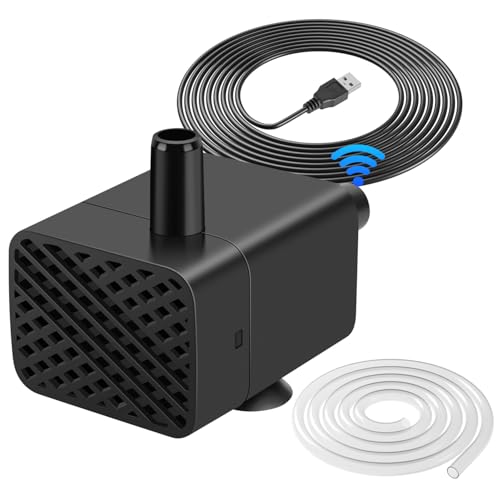
- Pump: Usually a submersible electric pump placed at the bottom of the reservoir.
- Tubing or hose: A flexible line that carries water from the pump to the top of the fountain.
- Spout or nozzle: The outlet that shapes the water into a bubble, sheet, arc or jet.
How Water Moves Through the System
The process runs in a continuous cycle. Once you understand the sequence, the whole fountain makes sense.
- The pump draws water in through a screened intake, which keeps leaves and debris from clogging the motor.
- The pump pushes the water upward through the tubing. Pump output determines how high the water rises and how much volume reaches the spout.
- The water exits the nozzle and falls back into the basin under gravity.
- The water collects in the reservoir, and the cycle begins again.
Because the same water circulates repeatedly, you only need to top it up when evaporation or splashing lowers the level.
Factors That Control the Look of the Water
Two things shape the performance of a fountain: how much water the pump moves and how high the water must rise. Manufacturers typically list a flow rate in gallons per hour and a maximum lift in feet. A pump with higher lift can send water to a taller spout, while a pump with higher flow produces a fuller, heavier stream.
Matching the Pump to the Design
A tall, narrow jet needs a pump with enough lift and modest flow. A wide, cascading bowl needs more volume so the water sheets evenly. Choosing a pump that is too strong can cause splashing outside the basin, while one that is too weak produces a sputtering, weak spray.
Basic Setup Checklist
- Place the basin on level ground so the water distributes evenly.
- Position the pump on a flat base or brick inside the reservoir, with the intake a few inches above the bottom.
- Connect the tubing to the pump outlet and route it to the spout, keeping bends gentle.
- Run a test cycle and adjust the spout or flow valve until the water lands inside the basin.
- Add water to the reservoir and check the level daily for the first week.
Common Mistakes to Avoid
- Running the pump dry. Keep the water level above the pump’s minimum submersion line.
- Skipping the intake screen. Debris can damage the impeller and reduce flow.
- Using untreated tap water in a fountain with fish or plants, which can cause algae or stress.
- Placing the fountain too close to a wall or fence, where splashes cause staining.
- Ignoring a drop in flow. Weak output often signals clogged tubing or a dirty pump.
Recommended Gear
A few supplies make everyday operation easier and extend the life of the pump.
- A submersible fountain pump with adjustable flow: Lets you fine-tune the height of the spray as the seasons change. View on Amazon
- Replacement intake screens: Inexpensive to swap and protect the pump from leaves and grit. View on Amazon
- A small timer or outlet switch: Helps you run the fountain on a schedule to limit evaporation and noise. View on Amazon
FAQ
Does a garden fountain need to be plugged in all the time?
Most electric fountains run continuously, but many owners use a timer to run them during daytime or evening hours. Check your manufacturer’s guidance on run times for your model.
Why does my fountain lose water so quickly?
Evaporation, wind and splashing are the usual causes, especially in hot or breezy weather. Check the basin for leaks and lower the spout height if water is landing outside the basin.
Can I run a garden fountain on solar power?
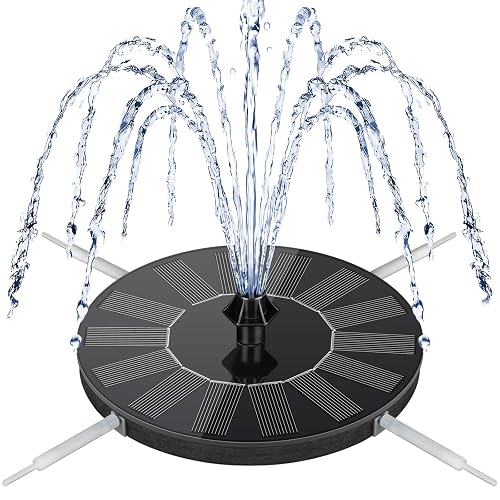
Yes, solar fountains use a small panel and battery or direct sunlight to drive a low-voltage pump. Output is usually lower than with mains power, so check the lift and flow before you buy.
Conclusion
A garden fountain is a simple loop: a pump draws water from the reservoir, sends it up through tubing, and gravity returns it to the basin. Matching the pump to your design, keeping the intake clean and topping up the water will keep the flow steady. Once the cycle is set, the fountain can run quietly for seasons with very little attention.
Related reading
- How to Make Garden Fountain: 5 Best Books and Guides Compared (2026)
- How to Build Garden Fountain: 5 Best Books for DIY Projects (2026)
- Garden Heritage Garden Fountain: How to Choose, Site and Style One
Ready to choose one?
About Graham Fisher
Graham Fisher is part of our editorial team and reviews and edits our garden design & decor guides, checking product details against manufacturer specifications and owner feedback.