By Graham Fisher
Updated November 2026
A garden fountain battery operated model gives you the sound and movement of running water without trenching for power or running an extension cord across the lawn. In this guide, you will learn how these fountains are powered, how to size one for your space, how to place it so it looks intentional, and how to keep the pump and battery performing through the seasons. By the end, you will have a clear plan for choosing and setting up a battery-powered fountain that suits your garden.
How Battery-Operated Garden Fountains Work
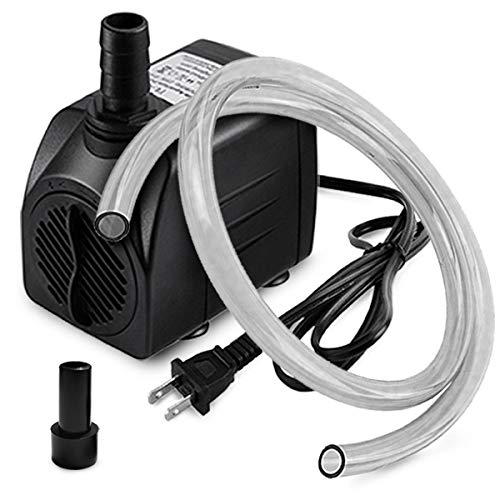
Most battery-operated fountains use a small submersible pump that sits in a reservoir or basin. The pump draws water up through a tube or spout and lets it fall back into the basin, creating a loop. Power comes from a battery pack, usually housed in a sealed compartment or a separate box, that feeds a low-voltage pump. Because the pump runs on direct current at low voltage, these units are generally lighter and simpler to install than mains-powered fountains.
Shopping for one? See our guide: 6 Best Solar Fountains for the Garden Picks for Every Yard (2026).
The trade-off is runtime. Battery capacity limits how long the pump can run before it needs a recharge or a battery swap. Some models include a timer or a low-flow setting to stretch battery life. Others are designed to pair with a small solar panel that trickles charge into the battery during the day, which is a useful hybrid if you want to avoid changing batteries often.
Common Power Options
- Disposable or rechargeable batteries in a housing: Simple and portable, but you will need to replace or recharge them on a schedule.
- Sealed rechargeable battery pack: Often a lithium or sealed lead-acid unit with a charging port. Check the manufacturer’s charging instructions before first use.
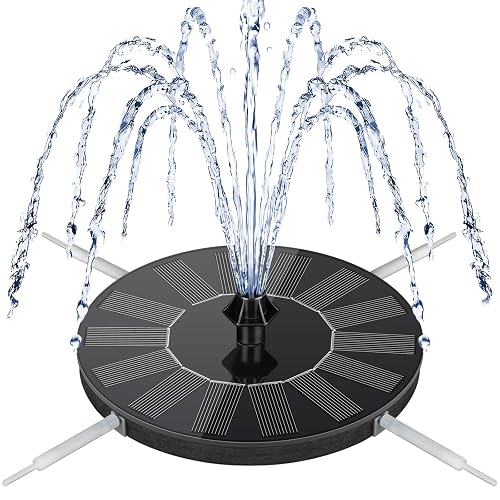
- Solar-assisted battery: A panel charges the battery during daylight. Output depends heavily on sun exposure, so location matters.
Step 1: Decide on Size, Style and Sound
Before you shop or sketch a layout, define three things: how big the fountain should be, what style fits your garden, and what kind of sound you want. These choices affect pump flow, basin volume and battery draw.
Match the Fountain to the Space
A common designer guideline is to keep the fountain’s total height at roughly one-third to one-half of the nearest tall plant or structure, so it reads as part of the garden rather than dominating it. For a small patio, a tabletop or bowl fountain around 12 to 18 inches tall works well. For a border or lawn focal point, a pedestal or tiered design in the 30 to 48 inch range usually feels proportionate.
Choose a Style That Repeats Your Garden’s Lines
- Cottage: Terra cotta, weathered stone or cast resin in soft colors, with a bowl or urn form.
- Japanese: Low, horizontal basins or bamboo spouts with a spare, quiet look and a gentle trickle.
- Modern: Clean geometric shapes in concrete, steel or glazed ceramic, often with a sheeting or bubbling flow.
If you are looking at ready-made options, these comparison articles can help you narrow the field: Top 5 Solar Powered Garden Fountain Picks for Every Yard (2026) covers battery and solar choices side by side, and Top 5 Stone Fountains for Garden Settings Compared is useful if you prefer a natural stone look.
Step 2: Plan the Placement
Placement determines how the fountain sounds, how often you need to top it up, and whether the battery and pump stay protected. Work through these points before you set anything down.
- Find a level surface. Use a bubble level on the base. An unlevel basin will spill water over one edge and make the flow uneven.
- Stay within sight and sound range. Place the fountain where you will see it from a seat or a window. Most people hear moving water clearly from 10 to 20 feet away, depending on flow.
- Keep it near an outlet for charging. Even though the fountain runs on battery, you will need to recharge or service the battery. Plan a route to the battery box that does not require reaching across the pond or bed.
- Avoid heavy shade for solar-assisted models. Panels need several hours of direct sun. Tree canopy can cut output sharply.
- Consider wind and splash. Shallow basins lose water to wind. Place the fountain out of prevailing wind so you are not constantly refilling it.
Step 3: Assemble and Prepare the Battery
Tools and Supplies Checklist
- The fountain kit, including basin, pump, tubing and spout
- Level and a flat base (paver, gravel pad or stone slab)
- Battery and charger, fully charged before first use
- Bucket for filling and a soft brush for cleaning
- Outdoor-rated extension cord, if the charger requires one
- Cleaning solution made for fountains (avoid household bleach)
Assembly Steps
- Lay out all parts and check against the manufacturer’s list.
- Set the basin on your prepared base and level it.
- Place the pump in the reservoir, attach the tubing and fit the spout or top piece.
- Fill with clean water to the level the manual specifies. Most pumps must stay submerged.
- Charge the battery fully before connecting it. Charging times vary by model, so follow the label rather than guessing.
- Connect the battery to the pump, switch on and watch the flow for at least 10 minutes to confirm steady water movement.
If you run into problems during setup, Garden Fountain Set Up: A Step-by-Step Guide for Beginners (2026) walks through the same sequence with more detail on priming and leveling.
Step 4: Manage Battery Life and Runtime
Battery life is the main limitation of any cordless fountain, so plan around it. Runtime depends on battery capacity, pump draw, flow setting and temperature. Cold weather reduces battery output noticeably, and most manufacturers recommend keeping batteries above freezing.
| Factor | Effect on Runtime | What to Do |
|---|---|---|
| High flow setting | Shortens runtime | Use the lowest flow that still looks right |
| Cold temperatures | Reduces battery output | Bring battery indoors in winter |
| Timer use | Extends battery life | Run 6 to 10 hours a day rather than continuously |
| Solar panel shade | Slows recharge | Move panel to a sunnier spot |
| Low water level | Pump may overheat or run dry | Top up before it drops below the pump |
Owners often report that a timer or a lower flow setting makes the largest difference in how many days a charge lasts. Check your manual for the recommended battery replacement interval, and keep a note of when you last charged it.
Step 5: Keep It Clean and Running
Standing water grows algae, and debris clogs pump intakes. A basic routine prevents most problems:
- Clean the basin and pump intake every two to four weeks in warm months.
- Top up with clean water regularly; evaporation can expose the pump.
- Drain and dry the basin before freezing weather, and store the battery indoors.
- Use a fountain-safe algae treatment rather than bleach or harsh household cleaners.
For ongoing troubleshooting, Garden Fountain Algae Control: Why It Grows and How to Stop It explains the causes and safe fixes, and Garden Fountain Pump Not Working: 7 Fixes to Try First covers the most common reasons a pump stops or weakens.
Design Ideas for Battery-Powered Fountains
Because you are not limited by where an outlet sits, battery fountains open up placement options. A few ideas that work well:
- Along a shaded path: A low fountain at the end of a stepping-stone path gives visitors a reason to pause.
- In a small side yard: A corner basin can soften a hard fence line. Small Corner Garden Fountain: A Step-by-Step Guide to Planning One That Fits shows how to fit one into a tight space.
- Beside a bird bath: A gentle spill attracts birds and adds sound. Solar Garden Fountain for Bird Bath Review: Features and Performance discusses this pairing.
- Among a garden statue: Pair a sculptural figure with a small basin for a layered focal point. Outdoor Garden Statue Fountain: A Designer's Step-by-Step Guide gives a planning process.
Common Mistakes
- Running the pump dry. Low water damages pumps quickly. Check the level weekly.
- Ignoring the charge schedule. A dead battery on a hot afternoon is the most frequent complaint. Set a calendar reminder.
- Placing the fountain in deep shade with a solar panel. Panels starve without sun.
- Overfilling the basin. Water spilling onto the base can freeze, crack stone and stain pavers.
- Leaving the battery outside in winter. Cold drains capacity and can damage cells.
- Using household bleach or strong cleaners. These can damage seals, plastic and finishes.
Recommended gear
A few supplies make upkeep easier and extend the life of a battery-operated setup.
- Fountain-safe algaecide: A treatment labeled for decorative water features helps you control growth without harming the pump or plants nearby. View on Amazon
- Soft-bristle fountain brush: A brush sized for narrow spouts and basin corners makes routine cleaning quicker and less likely to scratch finishes. View on Amazon
- Spare battery or sealed replacement pack: Having a second battery lets you swap rather than wait for a charge. Match the voltage and connector type to your fountain’s manual. View on Amazon
- Bubble level: A small torpedo level ensures the basin sits flat, which keeps the water spill even. View on Amazon
FAQ
How long does a garden fountain battery operated model run on one charge?
Runtime varies by battery capacity, pump size and flow setting. Manufacturers usually state an estimate in the manual. Using a timer or a lower flow setting typically extends the time between charges.
Can I leave a battery-operated fountain outside in winter?
The basin should be drained and dried before freezing temperatures arrive. Bring the battery indoors, since cold reduces its output and can damage it. Store the pump indoors as well if the manufacturer recommends it.
Do battery-powered fountains need to be connected to a water supply?
No. They recirculate water from the basin. You will need to top up the water regularly to replace what evaporates or splashes out.
Is a solar-assisted battery fountain better than a standard battery model?
It depends on your sun exposure. A solar panel can reduce how often you recharge, but only if it gets several hours of direct light daily. In shady gardens, a standard rechargeable battery is usually more reliable.
How often should I clean a battery-operated fountain?
In warm months, every two to four weeks is a reasonable schedule. Clean more often if the water looks cloudy or you see algae forming.
Why does my fountain flow weaken over time?
Common causes include a clogged intake, a low water level, a weakening battery or a worn pump. Start by cleaning the intake and topping up the water, then check the battery charge.
Are battery fountains safe around children and pets?
Low-voltage battery units are generally safer than mains-powered models, but any standing water can be a drowning hazard for small children. Supervise young children near water features, and consult the manufacturer’s safety guidance for your specific model.
Conclusion
A garden fountain battery operated setup offers flexible placement and easy installation when you plan around battery life. Start by choosing a size and style that suit your garden, then position the fountain on a level base with reliable access for charging. A regular routine of cleaning, topping up and battery care will keep it sounding good through the season.
Ready to choose one?
About Graham Fisher
Graham Fisher is part of our editorial team and reviews and edits our garden design & decor guides, checking product details against manufacturer specifications and owner feedback.