By Graham Fisher
Updated November 2026
A Korean garden fountain in Colorado can bring calm, moving water and a traditional look to a yard that otherwise lives in wide open sun and dry wind. This guide walks you through choosing the right fountain style, placing it for Colorado’s climate, and protecting it through hard freezes so it lasts for years. You will finish with a clear plan you can build from.
Choose a Style That Suits Colorado’s Climate
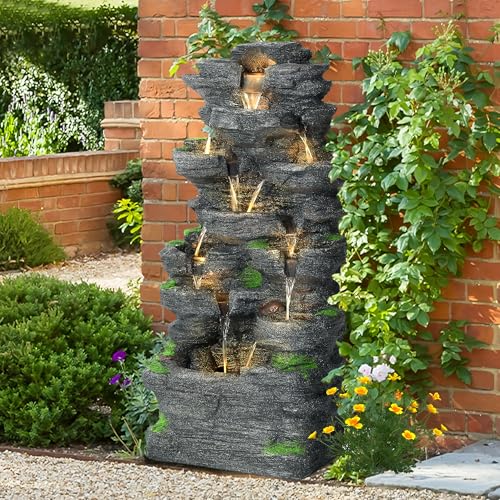
Traditional Korean garden fountains often use natural stone, carved basins, and simple spillways that suit a quiet, understated garden. In Colorado, look for heavy stone or cast-stone pieces that handle temperature swings better than thin ceramic. Check whether the piece is rated for outdoor freezing conditions, since many manufacturers specify that certain materials should be drained before a hard freeze. Choose a size that matches the scale of your space: a basin roughly 18 to 24 inches across suits a small patio, while larger stone pieces work best in beds with at least 6 feet of open clearance.
Pick the Right Location
Placement matters more in Colorado than in milder regions. Strong afternoon sun and low humidity increase evaporation, so a fountain in full sun can drop its water level noticeably over a hot day. A spot with morning sun and afternoon shade keeps water cooler and reduces algae growth. Keep the fountain at least 8 feet from large trees to limit debris, and make sure the base sits on level, compacted ground.
- Place it within reach of an outdoor power source or plan a GFCI-protected circuit.
- Keep it visible from a seating area so you can enjoy the sound.
- Allow room for a pump access point so you can service it without moving the stone.
Set Up the Pump and Water Flow
Most garden fountains rely on a submersible pump sitting in the basin reservoir. Match the pump’s flow rate to the height of your spillway: a low, gentle sheet of water needs far less flow than a tall vertical jet, and oversized pumps can splash water out of the basin and waste it. Fill the reservoir, run the pump for a few minutes, and adjust the flow valve until the water falls back into the basin without overshooting the edge.
Basic setup steps
- Level the base and confirm the basin sits flat on all sides.
- Place the submersible pump on a stable base or stones so the intake is clear of sediment.
- Route the tubing through the spillway and secure it with clips or a small channel.
- Fill the basin until the pump is fully submerged, then run a test cycle.
- Adjust the flow and check for leaks at each joint.
Protect Your Fountain Through Winter
Colorado’s freeze-thaw cycles can crack stone and damage pumps if water stays inside. Before the first hard freeze, usually in late autumn at most elevations, drain the basin, remove the pump, and store it indoors. Dry all components completely before packing them away. Cover the stone basin with a breathable cover rather than plastic, which can trap moisture. Check local conditions each year, since elevation and microclimate shift the timing.
Recommended gear
- A submersible fountain pump with an adjustable flow valve lets you fine-tune the spillway without replacing parts. View on Amazon
- A GFCI outdoor extension cord protects the pump circuit in damp conditions. View on Amazon
- A fitted breathable fountain cover helps shield the basin from debris and winter weather. View on Amazon
Common mistakes
- Leaving water in the basin through winter, which can crack stone.
- Running an oversized pump that splashes water out and wastes it in dry wind.
- Placing the fountain in full afternoon sun, which speeds evaporation and algae growth.
- Skipping a GFCI outlet for an outdoor electrical connection.
- Setting the basin on soft soil that shifts and tilts over time.
If you are unsure about electrical wiring or heavy stone placement, consult a licensed electrician or a landscape contractor before installation.
For more inspiration on layouts, see Zen Garden with Fountain: A Step-by-Step Design Guide and Small Garden Fountain Ideas: 7 Designer Layouts for Tight Spaces. If you are comparing options, 7 Best Korean Garden Fountain Co Options for Every Yard (2026) covers several styles in detail.
FAQ
Can a Korean garden fountain stay outside all winter in Colorado?
Most manufacturers recommend draining the basin and removing the pump before hard freezes. Leaving water in place risks cracked stone and damaged pump components.
Where should I place a fountain to reduce evaporation?
Choose a spot with morning sun and afternoon shade. This keeps water cooler and reduces the level drop during hot, dry afternoons.
What size pump do I need?
Match the pump to your spillway height. Lower, gentler flows need smaller pumps, while taller jets require more flow. Adjust the valve during a test run to fine-tune the result.
Conclusion
A well-placed Korean garden fountain can suit Colorado’s dry, sunny yards when you plan for sun exposure, pump sizing, and winter care. Start with the right location and style, set the flow carefully, and drain it before the first hard freeze. With those steps, your fountain can become a lasting focal point.
Related reading
- Water Bowl Fountain Garden Review: Is It Worth It?
- Top 7 Stone Water Fountains for Garden Picks with Lights and Cascades
- Top 6 Small Fountains for Garden Outdoor Spaces Compared for Every Yard
Ready to choose one?
About Graham Fisher
Graham Fisher is part of our editorial team and reviews and edits our garden design & decor guides, checking product details against manufacturer specifications and owner feedback.