 By Graham Fisher
Updated November 2026
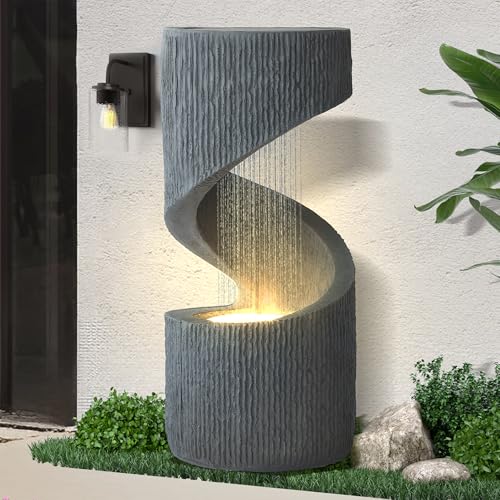
Winter garden interactive fountain and splashpad photos are useful because they show how water features look when the leaves are gone, the light is low and the grass is dormant. This guide explains what to look for in those images, how to plan a similar layout for your own yard, and how to style it so it stays attractive from December through February.
What Winter Photos Actually Show You
Most summer photos of splashpads and interactive fountains are taken in bright, high-sun conditions, which flatten the water and wash out the spray. Winter photos tend to do the opposite. Low sun angles pick up the arc of each jet, and bare branches frame the water so the eye lands on it. When you study a winter image, pay attention to three things: how much of the surface is paved versus planted, where the jets are aimed relative to the viewer, and whether the surrounding structure (stone, timber, metal edging) still reads clearly without foliage.
Shopping for one? See our guide: Top 5 Winter Fountain Grow a Garden Options for Cold-Season Yards.
Cold-season photos also reveal how a feature handles frost, pooled meltwater and the color of exposed stone. Those details matter more to your decisions than any summer image will.
Step 1: Choose a Site That Works in Winter
Winter sun is lower and shorter, so a splashpad or fountain that gets full sun in July may sit in shade from November onward. Track sun exposure across a typical winter day before you commit. A spot that gets three to four hours of direct sun in the middle of the day will look far more inviting than one hemmed in by a north-facing fence.
Keep the feature away from walkways that will ice over and from overhanging trees that drop leaves into the basin. If the design includes a shallow play area, set it at least several feet from any path you plan to shovel, so snow has somewhere to go.
Step 2: Plan the Layout and Drainage
Good winter design starts with drainage. A splashpad needs a sloped base, usually around 1 to 2 percent, so water runs toward a catch basin or dry well rather than standing. Mark the footprint with stakes and string, then check the slope with a level and straightedge before setting any base material.
For a compact interactive fountain, sketch the jets, bollards and seating on graph paper at a scale of 1 inch to 2 feet. This lets you see sightlines in each season. If you are building a mixed feature that combines a basin with a play zone, the piece of reference reading Small Garden Fountain Ideas: 7 Designer Layouts for Tight Spaces offers useful layout ideas for limited footprints.
Materials checklist
- Stakes, string and a line level for marking the footprint
- A 4-foot level and a straightedge for checking slope
- Crushed stone base, typically 4 to 6 inches compacted, for splash surfaces
- A sump or catch basin with a removable grate
- Weather-rated conduit and a GFCI-protected outlet for any pump or lighting
- Non-slip surfacing rated for wet conditions
Step 3: Style the Feature for Cold-Season Visual Interest
Once the hardscape is in, styling determines whether the space still looks intentional in winter. Evergreen structure does most of the work. Dwarf conifers, boxwood and holly give the edges color and volume when perennials have died back. Ornamental grasses left standing in the rear border catch frost and read beautifully in photos taken at low sun.
Lighting matters as well. Low-voltage path lights aimed upward at the jets create a dramatic effect after dark, and they make the water visible on short winter afternoons. For a broader approach to decorative outdoor elements, the guide Outdoor Garden Statue Fountain: A Designer's Step-by-Step Guide explains how sculptural pieces can anchor a water feature.
Recommended gear
- Outdoor fountain pump with adjustable flow: lets you lower the spray height during freezing spells. View on Amazon
- Freeze-protection heater for basins: keeps a small reservoir from cracking in deep cold. View on Amazon
- Weatherproof LED landscape lights: highlight the water and jets after sunset. View on Amazon
Common Mistakes to Avoid
- Placing the feature in deep shade based on summer conditions alone.
- Skipping the base compaction, which leads to pooling and heaving after freeze-thaw cycles.
- Leaving the pump running in freezing temperatures without a freeze-protection plan.
- Using plants that look good in summer but turn brown and bare by December.
- Forgetting that snow and ice will need a place to go during clearing.
FAQ
Can I run a splashpad or fountain in winter?
Many owners shut down splash jets during hard freezes and drain exposed lines to prevent damage. Check the manufacturer’s cold-weather guidance before deciding whether to run the system year-round.
How do I keep the water from freezing in the basin?
A submersible basin heater or a pond de-icer can keep a small reservoir open. Insulated covers and lowering the water level before the first hard freeze also help.
Which plants look best around a winter water feature?
Evergreens such as dwarf conifers, boxwood and holly provide structure year-round. Ornamental grasses left standing add texture and catch frost attractively.
Conclusion
Winter photos of interactive fountains and splashpads show what works when the garden is at its plainest. Choose a site with enough winter sun, build a sound base with proper drainage, and style the surroundings with evergreens and low lighting. Done well, the feature will look just as deliberate in January as it does in July.
Related reading
Ready to choose one?
About Graham Fisher
Graham Fisher is part of our editorial team and reviews and edits our garden design & decor guides, checking product details against manufacturer specifications and owner feedback.