 By Graham Fisher
Updated November 2026
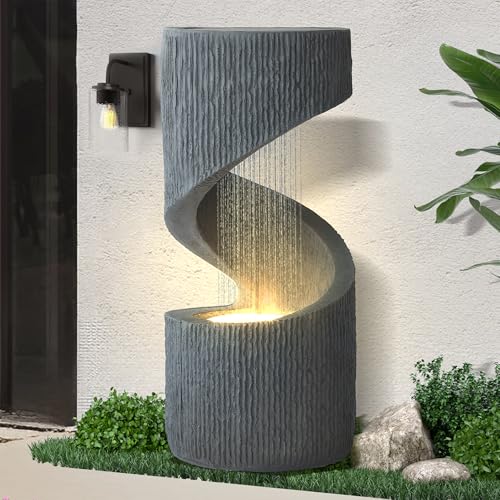
Solar fountain ideas for garden spaces work best when you match the pump, the basin and the location to how much sun your yard actually gets. In this guide you will learn how to pick a solar fountain style, place it for reliable sunlight, and build a simple layout that looks intentional rather than improvised. Most of the work is in the planning, and a few measurements will save you a lot of rearranging later.
Start with Sun Exposure and Placement
A solar fountain is only as good as the light hitting its panel. Manufacturers generally specify that the panel needs several hours of direct sun to run at full output, so observe your yard for a full day before you commit. Note where shade falls at 10 a.m., noon and 3 p.m.
Shopping for one? See our guide: 6 Best Solar Fountains for the Garden Picks for Every Yard (2026).
- Choose a spot with at least 5 to 6 hours of direct sun for the panel.
- Keep the pump basin within about 6 feet of the panel if the design uses a separate panel cable.
- Place the fountain where you can hear it from a seat, roughly 10 to 20 feet away.
If you are short on sun, a small fountain with a detachable panel lets you move the panel to a brighter spot while the basin stays put.
Choose a Layout Style That Fits Your Yard
The style of the fountain should echo the rest of the garden. A tiered ceramic piece suits a cottage border, while a low stone bowl reads well in a Japanese-inspired corner. For a more detailed look at specific looks, see Small Garden Fountain Ideas: 7 Designer Layouts for Tight Spaces and Rock Garden Fountain Ideas: 6 Designer Layouts for Natural Water Features.
Layout Option 1: The Focal Point Bowl
Place a single fountain at the end of a sightline, such as the end of a gravel path. Surround the base with low groundcover like thyme or creeping sedum to soften the edge.
Layout Option 2: The Floating Pond Feature
Floating solar units suit small ponds and birdbaths. Keep the pond at least 18 inches deep if fish are present, and check that the float stays centered in the water.
Build a Simple Installation Plan
Once the spot and style are set, install the fountain in a short sequence so the basin sits level and the panel stays unshaded.
- Mark the footprint of the basin and dig or level the base so it sits flat.
- Set the basin, then check it is level with a small spirit level in two directions.
- Place the solar panel facing south in the Northern Hemisphere, tilted about 30 degrees if the mount allows.
- Run the cable through a shallow trench or conduit to protect it from mowers and foot traffic.
- Fill the basin, switch on the pump and adjust the spray height until water stays inside the rim.
Plan Plantings and Lighting Around the Water
Plants and light make a solar fountain look finished. Use lower-growing plants at the edge so they do not block the panel. Solar accent lights work well at the base because they run from the same daylight charge cycle. A simple table can help you match plant height to position:
| Zone | Plant Height | Example Plants |
|---|---|---|
| Basin edge | Under 12 inches | Creeping thyme, sedum |
| Mid border | 1 to 3 feet | Lavender, catmint |
| Backdrop | 3 feet and up | Ornamental grasses, shrubs |
For more ideas on pairing water with planting, look at Garden Ideas with Fountain: 7 Designer Layouts for Any Yard and Backyard Garden Fountain Ideas: 7 Designer Layouts for Every Yard.
Common Mistakes to Avoid
- Placing the panel under a tree or the eave of a building, which cuts output sharply.
- Letting the basin run dry, which can damage a small pump.
- Skipping a level base, so water spills unevenly over one side.
- Choosing a spray height too high for a narrow basin.
- Forgetting that algae grows fastest in warm, sunny water, so plan a light cleaning schedule.
Recommended Gear
A few supplies make installation and upkeep easier. Owners often report that a small pond skimmer keeps debris from clogging the pump intake.
- A pond skimmer net keeps leaves and debris out of the basin. View on Amazon
- A small spirit level helps you set the basin flat before filling. View on Amazon
- Outdoor conduit tubing protects the panel cable from digging and mowing. View on Amazon
FAQ
How many hours of sun does a solar fountain need?
Manufacturers generally recommend at least five to six hours of direct sun for the panel. Partial shade will still run the pump, but the spray may be weaker or stop on cloudy days.
Can a solar fountain run at night?
Most solar fountains run only while the panel receives light. Some models include a small battery that keeps water moving for a short period after dark, so check the product details before you buy.
How often should I clean a solar fountain?
Many owners clean the basin every two to four weeks during the growing season, removing debris and checking the pump intake. Clean the panel with water as well, since dust reduces charging.
Conclusion
Good solar fountain ideas for garden spaces start with sun, scale and style. Measure the light, choose a layout that suits your yard, and plan plantings around the basin. A level install and regular cleaning will keep the water feature working well for years.
Related reading
Ready to choose one?
About Graham Fisher
Graham Fisher is part of our editorial team and reviews and edits our garden design & decor guides, checking product details against manufacturer specifications and owner feedback.