
 By Audrey Hayes
Updated November 2026
Choosing plants for landscaping ideas is easier when you know which species thrive in your climate and how they look in a finished design. The picks below are landscape reference books, not nursery plants, so you can compare them on regional focus, number of design layouts, plant coverage and how practical the planting plans are. Each one is judged on how well it matches a specific region or style of garden.
Our top picks at a glance
- 1
 TOP CHOICEBest overallBetter Homes and Gardens Home Landscaping: Plants, Projects, and Ideas for Your YardView on Amazon
- 2
 TOP CHOICEBest for the Pacific NorthwestNorthwest Home Landscaping, Fourth Edition: 48 Landscape Designs, 200+ Plants & FlowersView on Amazon
- 3
 TOP CHOICEBest for the SoutheastSoutheast Home Landscaping, Fourth Edition: 54 Landscape Designs withView on Amazon
- 4
 Best for the western United StatesWestern Home Landscaping, Second Edition: 42 Landscape Designs, 300+ Plants & FlowersView on Amazon
- 5
 Best for Texas gardensNative Texas Plants: Landscaping Region by RegionView on Amazon
- 6
 Best for tropical designsLandscaping with Tropical Plants: Design Ideas, Creative Garden Plans,View on Amazon
- 7
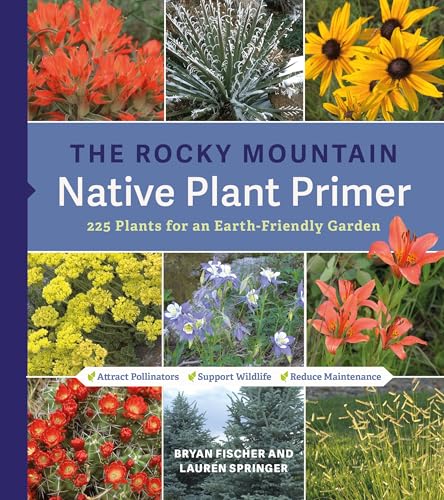 Best for Rocky Mountain nativesThe Rocky Mountain Native Plant Primer: 225 Plants for an Earth-FriendView on Amazon
Our Top Picks
Quick Comparison
| Product | Best for | Key feature |
|---|---|---|
| Better Homes and Gardens Home Landscaping | General planning | Broad plants and projects |
| Northwest Home Landscaping, Fourth Edition | Pacific Northwest yards | 48 designs, regional plants |
| Southeast Home Landscaping, Fourth Edition | Southeastern yards | 54 designs, 200+ plants |
| Western Home Landscaping, Second Edition | Western US yards | 42 designs, 300+ plants |
| Native Texas Plants: Landscaping Region by Region | Texas gardeners | Organized by region |
| Landscaping with Tropical Plants | Tropical-style gardens | Cold-climate solutions |
| The Rocky Mountain Native Plant Primer | Rocky Mountain natives | 225 earth-friendly plants |
Better Homes and Gardens Home Landscaping: Plants, Projects, and Ideas for Your Yard
Better Homes and Gardens Home Landscaping: Plants, Projects, and Ideas for Your Yard
Best for: general planning across many yard types
This is a good starting point for homeowners who want a broad survey of plant options and simple projects before narrowing to a region.
Pros
- Covers a wide range of plant types and yard projects
- Accessible layout for beginners
Cons
- Less detail for any single climate zone
Northwest Home Landscaping, Fourth Edition: 48 Landscape Designs, 200+ Plants & Flowers
Northwest Home Landscaping, Fourth Edition: 48 Landscape Designs, 200+ Plants & Flowers Best Suited to the Northwest (Creative Homeowner) For the Pacific Northwest: WA, OR, and Western BC, Canada
Best for: Pacific Northwest gardens
Aimed at owners in Washington, Oregon and western British Columbia who want plant lists matched to the region’s wet winters and mild summers.
Pros
- Plants selected for the Pacific Northwest climate
- Many complete design layouts to adapt
Cons
- Less useful outside the listed region
Southeast Home Landscaping, Fourth Edition: 54 Landscape Designs with 200+ Plants & Flowers
Southeast Home Landscaping, Fourth Edition: 54 Landscape Designs with 200+ Plants & Flowers for Your Region (Creative Homeowner) Plans, Ideas, and Outdoor DIY for AL, FL, GA, MS, NC, SC, and TN
Best for: Southeastern yards
Suited to gardeners in Alabama, Florida, Georgia, Mississippi, North Carolina, South Carolina and Tennessee dealing with heat, humidity and heavy rain.
Pros
- 54 layouts give plenty of design variety
- Plant choices reflect southeastern growing seasons
Cons
- Not intended for drier or colder regions
Western Home Landscaping, Second Edition: 42 Landscape Designs, 300+ Plants & Flowers
Western Home Landscaping, Second Edition: 42 Landscape Designs, 300+ Plants & Flowers Best Suited to the West (Creative Homeowner) Landscape Ideas for AZ, CA, CO, ID, MT, NM, NV, OR, UT, WA, WY, & BC
Best for: dry-climate western gardens
Useful for owners in Arizona, California, Colorado and other western states who need drought-tolerant plant options.
Pros
- Large plant selection with over 300 entries
- Strong focus on water-wise planting
Cons
- Layouts are broad, so some adaptation is needed
Native Texas Plants: Landscaping Region by Region
Native Texas Plants: Landscaping Region by Region
Best for: Texas gardeners who want native species
Organized by region, so readers can match plants to local soil and rainfall rather than relying on a single statewide list.
Pros
- Regional organization makes plant selection precise
- Focuses on native species
Cons
- Limited scope outside Texas
Landscaping with Tropical Plants: Design Ideas, Creative Garden Plans, Cold-Climate Solutions
Landscaping with Tropical Plants: Design Ideas, Creative Garden Plans, Cold-Climate Solutions
Best for: tropical-style designs
For gardeners who want a lush, tropical look, including those in cooler areas who need workarounds for frost-sensitive plants.
Pros
- Includes cold-climate strategies
- Strong visual inspiration for bold foliage
Cons
- Many species need protection in colder zones
Buying Guide
Match the Book to Your Climate Zone
Plant performance depends heavily on local temperatures, rainfall and soil. Choose a book whose regional focus covers your state, province or climate, since a planting plan built for the Pacific Northwest will not translate well to the Southeast or the Southwest.
Check whether the book names specific regions and whether its plant lists are arranged by those regions. Regional titles are usually the most reliable starting point for a yard you plan to keep for years.
Look at the Number of Design Layouts
Some books offer dozens of complete landscape designs, while others focus on individual plants with fewer layouts. If you want ready-to-adapt plans for front yards, backyards or entryways, a book with a higher design count gives you more options to compare.
Consider whether you prefer to follow a finished plan or to pull individual ideas into your own layout. Books with many designs suit homeowners who want a full concept, while those with fewer designs often suit people who prefer to build their own layout.
Consider Plant Coverage and Variety
A larger plant list gives you more choices for color, height, bloom time and texture. Check how many plants and flowers the book covers and whether they include trees, shrubs, perennials and groundcovers, not just flowers.
Plant variety matters most if you want a garden that looks interesting across seasons. Look for books that explain how plants work together, not just list them.
Think About Native and Low-Maintenance Plants
If you want a yard that supports local wildlife or needs less water and upkeep, look for a book that focuses on native species. Native-plant guides are especially useful for regions with dry summers or limited irrigation.
Tropical or non-native guides can be a good choice for warm climates or for gardeners who enjoy a lush look, but they often include advice on protecting plants from cold. Pick the focus that fits how much effort you want to spend on maintenance.
Decide How Much Project Detail You Need
Some books emphasize design inspiration, while others include practical projects, planting steps and outdoor do-it-yourself ideas. Decide whether you need step-by-step guidance or mainly want visual ideas to spark your own plan.
If you are new to landscaping, a book with clear planting instructions and project guidance will be easier to use. Experienced gardeners may prefer a reference that covers plant details with less general advice.
FAQ
Do I need a regional landscaping book, or is a general one enough?
A regional book is usually more useful because it lists plants that are known to perform well in your area. A general book can still give you design ideas, but you will need to confirm that each plant suits your climate. Regional titles save time and reduce the risk of planting something that struggles.
Are native plant books better for the environment?
Native plant guides are often a good choice for supporting local pollinators and wildlife, and they usually need less watering once established. They also tend to fit naturally into regional conditions. Your ideal choice still depends on your goals, since some gardeners prefer a mix of native and adapted plants.
Can a tropical plant book help me in a cold climate?
Yes, if the book includes cold-climate solutions. Many tropical-focused guides explain how to grow warm-season plants in colder areas using containers, seasonal moving or winter protection. Check the table of contents to confirm that these methods are covered.
How many design layouts should a good landscaping book have?
There is no single right number, because the best count depends on how you plan to use the book. A larger number of layouts gives you more inspiration for different yard sizes and styles. Fewer layouts with more detailed plant information can be just as helpful for a focused project.
Should I buy one book or several?
Many gardeners start with one regional book that matches their area and then add a second title for extra design ideas or plant details. If your yard has very different microclimates, such as shade and full sun areas, a second reference can fill gaps. Start with one and expand only if you need more guidance.
Conclusion
If you live in a specific region and want a practical planting plan, a regional title such as the Northwest, Southeast, Western or Texas-focused book is the most direct choice. Those titles match local climate and soil conditions closely, which makes them strong starting points for most homeowners.
If you want native-focused guidance, the Rocky Mountain native plant primer suits earth-friendly gardeners, while the tropical book fits warm-climate lovers and those willing to manage cold-weather challenges. Better Homes and Gardens Home Landscaping works well as a broad, all-purpose reference for readers who want general ideas and projects.
Related reading
- Under Deck Ideas Landscaping: 7 Designer Layouts That Work
- Top 8 Landscaping Ideas for Front Yards Without Grass in 2026
- Top 7 Low Maintenance Front Yard Landscaping Ideas Worth Considering in 2026
About Audrey Hayes
Audrey Hayes is part of our editorial team and reviews and edits our garden design & decor guides, checking product details against manufacturer specifications and owner feedback.