 By Weston Fitzgerald
An outdoor garden decor statue can anchor a bed, frame a view or give a plain corner a clear focal point. In this guide you will learn how to pick a statue that suits your style and scale, decide where it should sit, prepare the ground, and keep it looking good for years. The method works whether you are shopping for a single classical figure or a set of modern abstract forms.
Step 1: Define the Role the Statue Will Play
Before you look at a single piece, decide what the statue should do. A statue can be a focal point that draws the eye at the end of a path, a quiet accent tucked among perennials, or a vertical element that balances a low, spreading planting. Each role calls for a different size and level of detail. A bold figure works best where it can be seen from a distance, while a small, finely detailed piece rewards a closer look near a bench or doorway.
Write down two or three sentences about the feeling you want. For example: “I want a calm, weathered figure that feels like it has always been here” or “I want a sharp, geometric form that contrasts with soft grasses.” This short statement will guide every later decision and keep you from buying something that looks lovely in a photo but does not fit the space.
Step 2: Match the Style to Your Garden
Statues carry strong visual cues, so match them to the style already present or planned. Here are a few common pairings:
- Cottage gardens suit weathered stone or cast concrete figures, birds, animals and classic urns. Soft, slightly mossy finishes blend with overflowing borders.
- Japanese-inspired gardens favor restrained forms: lanterns, simple stone figures, or a single carved piece placed beside water or moss. See Japanese-Inspired Garden Design for layout principles.
- Modern gardens call for clean lines, abstract shapes and materials such as steel, corten or polished concrete. Our overview of Modern Garden Design explains how to keep these pieces from competing with the planting.
- Mediterranean gardens pair well with terracotta figures or sun-bleached stone. Mediterranean Garden Design covers the color palette in more detail.
If you are still unsure, look at how your existing hardscape is built. Stone paths and dry-laid walls suit natural stone figures, while crisp concrete steps and steel edging suit contemporary forms.
Step 3: Choose the Right Material
Material affects weight, durability, texture and how the statue ages. Most outdoor pieces fall into a handful of categories:
- Natural stone (limestone, granite, sandstone) is heavy, weather-resistant and develops a patina over time. It is usually the most durable choice but also the hardest to move.
- Cast stone or concrete mimics carved stone at a lower weight. Quality varies, so look for dense, evenly colored surfaces and fine detail.
- Cast resin or fiberglass is light enough to reposition easily and often comes in realistic finishes. It can fade in strong sun, so check whether the finish is UV-stabilized.
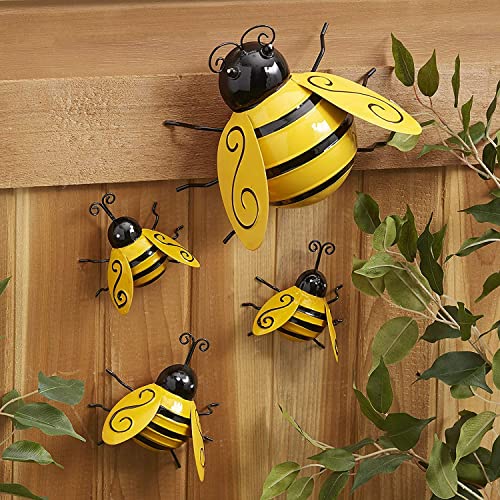
- Metal (steel, bronze, aluminum, corten) suits modern and abstract designs. Corten develops a rust-colored surface that stabilizes over time; bronze and aluminum resist corrosion well. Our notes on Metal Garden Sculptures describe how each finish performs.
- Terracotta is warm and inexpensive-looking in a good way, but it is porous. In freeze-thaw climates it can crack if water gets inside, so it is best kept off soggy ground or stored under cover in winter.
Step 4: Get the Scale Right
Scale is the most common reason a statue looks wrong. A useful rule is to compare the statue’s height with the height of the plants and structures around it:
- For a statue in a bed, aim for a height roughly one-third to one-half of the mature height of the surrounding plants, so it shows without dominating.
- For a focal point at the end of a lawn or path, a figure around 3 to 5 feet tall usually reads well from 30 feet away.
- Next to a house or wall, a statue should be at least one-quarter the height of the wall behind it to avoid looking lost.
Use cardboard or a garden hose to outline the statue’s footprint and height before you buy. Stand where a visitor would stand and look at it from the path, the door and the window you see from most often.
Step 5: Plan the Placement
Placement determines whether a statue feels intentional. Consider sightlines first: where will people see it, and what should it frame or hide? Then consider sun, drainage and access for maintenance. The table below summarizes common placements.
| Location | Best for | Key consideration |
|---|---|---|
| End of a path | Drawing the eye forward | Use a larger scale, roughly 3 to 5 feet tall |
| Corner of a bed | Softening a border | Keep it off the walkway and away from the mower path |
| Beside a bench | Creating a seating vignette | Choose detail that rewards close viewing |
| Against a hedge or wall | Adding depth and contrast | Ensure the background is clean and not too busy |
| Within a water feature | Reflective, layered interest | Confirm the material tolerates standing water |
For more ideas on laying out the surrounding space, see Garden Zoning and Small Garden Layout Ideas.
Step 6: Prepare the Base
A statue placed directly on soft soil will tilt within a season. Prepare a level base that drains well:
- Mark the footprint and dig out the soil to a depth of about 4 to 6 inches, slightly larger than the statue’s base.
- Fill the hole with 3 to 4 inches of compacted crushed stone or gravel to improve drainage.
- Add a 1 to 2 inch layer of sand or stone dust on top and level it with a straightedge.
- Set a paver, a flat stone or a concrete pad on the leveled bed, and place the statue on it.
- Check level in two directions and backfill the edges with soil or mulch.
Heavy stone pieces may need a deeper base and professional help to set. If the statue is very large or sits on a slope, consult a landscape contractor or structural professional before moving it.
Step 7: Plan Lighting and Surroundings
A statue that disappears at night is a missed opportunity. Low-voltage uplights placed 2 to 4 feet from the figure, angled to graze its surface, create texture and shadow. Keep fixtures out of direct view and shielded from glare. Outdoor Garden Lights explains fixture types and wiring options in more depth.
Plant around the statue carefully. Choose plants that soften the base without hiding the figure. Ornamental grasses work well because they move in the breeze and add texture; see Ornamental Grasses in Garden Design for ideas.
Step 8: Maintain the Statue
Routine care keeps an outdoor statue looking its best. Brush away debris and leaves monthly, and rinse with plain water and a soft brush once or twice a year. For algae or lichen on stone, use a gentle cleaner made for masonry and test it on a hidden spot first. Avoid pressure washers on delicate surfaces, as they can strip detail.
In freezing climates, bring terracotta and hollow resin pieces indoors or cover them during winter. Check metal pieces for chips in the finish and touch up with a rust-inhibiting paint where needed.
Recommended gear
A few supplies make installation and upkeep easier:
- Crushed stone base material provides the drainage layer under the statue, which prevents tilting and frost heave. View on Amazon
- A four-foot level lets you check the base in two directions before setting the statue. View on Amazon
- Low-voltage landscape spotlights add evening interest and show texture on the figure. View on Amazon
- A soft-bristle masonry brush removes dirt and algae without scratching carved detail. View on Amazon
Common mistakes
- Buying too small. A tiny statue in a large bed looks like a mistake. Measure and mock up the size first.
- Skipping the base. Setting a heavy piece on loose soil leads to tilting, cracks and uneven settling.
- Ignoring sightlines. Placing a figure where it is visible only from the far end of the yard wastes its impact.
- Mixing too many styles. A classical figure, a rustic urn and a steel sculpture in one bed compete for attention. Choose one dominant style.
- Forgetting winter care. Water trapped in porous material freezes and expands, causing damage.
Tips for a lasting result
- Place one statue as a focal point and keep secondary accents smaller and quieter.
- Repeat a material elsewhere in the garden, such as stone edging or metal planters, to tie the statue into the design.
- Leave some negative space around the figure so it can breathe.
- Rotate or reposition seasonal pieces to keep the garden feeling fresh.
For broader inspiration, browse Garden Sculpture Ideas and Choosing Garden Statues.
FAQ
How big should an outdoor garden decor statue be?
For a bed or border, aim for roughly one-third to one-half the height of the mature plants around it. For a focal point at the end of a path, a figure about 3 to 5 feet tall is a common starting point. Always mock up the size with cardboard or a hose first.
What material lasts longest outdoors?
Natural stone and quality metals such as bronze and aluminum tend to hold up best over many years. Cast resin can fade in strong sun, so check for UV-stabilized finishes.
Do I need a base for a garden statue?
Yes, for most pieces. A compacted gravel base with a sand or stone-dust leveling layer keeps the statue level and drains water away from it. Very heavy or large statues may need professional installation.
How do I clean moss or algae off a stone statue?
Brush the surface with a soft brush and plain water first. For stubborn growth, use a gentle masonry cleaner and test it on a small hidden area. Avoid high-pressure washing, which can damage fine detail.
Can outdoor statues stay out in winter?
Most stone, concrete and metal pieces can stay outside year-round. Terracotta and hollow or thin-walled pieces should be moved indoors or covered in freezing climates to prevent cracking.
Where is the best place to put a garden statue?
Good spots include the end of a path, the corner of a planting bed, beside a bench, or against a hedge or wall. Choose a location that is visible from your main viewing points and does not block walkways.
Should I light my garden statue at night?
Low-voltage uplights placed a few feet away and angled across the surface can bring out texture and shadow. Keep fixtures shielded so they do not glare into your eyes or your neighbors’ windows.
How do I keep a statue from looking out of place?
Match its style to your garden’s architecture and planting, keep the scale proportional, and avoid mixing too many different styles. A single well-chosen piece usually looks more intentional than several competing ones.
Conclusion
A well-chosen outdoor garden decor statue can define a garden’s character. Start with the role you want it to play, match its style and material to your space, and get the scale and base right before you set it in place. With a clear plan and simple upkeep, your statue will look more settled and meaningful each year.

About Weston Fitzgerald
Weston writes about garden design & decor. Each guide starts with research into how products are built and what owners report after months of use, and is revised when better options appear.