By Graham Fisher
Updated November 2026
Landscaping design ideas for a small front yard work best when you plan around three things: a clear path to the door, one or two focal points, and plants scaled to the space. This guide walks you through a simple process for sketching a layout, choosing a style, and avoiding the crowded look that makes tiny yards feel smaller than they are.
Step 1: Measure and Map the Space
Start with a scaled drawing. Measure the width and depth of the front yard, then mark the house footprint, the driveway, the walkway, and any existing trees or utility lines. Sketch on graph paper at a scale of 1 square equals 1 foot. Small front yards often measure 20 to 40 feet across, so this keeps proportions honest.
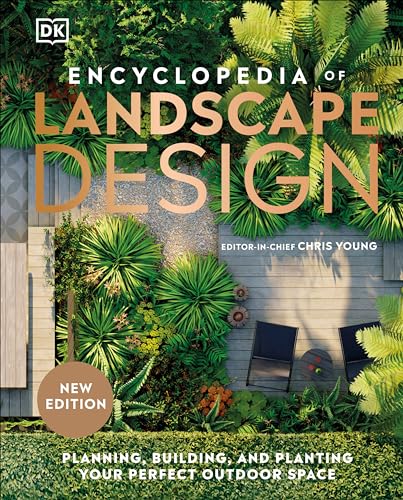
Shopping for one? See our guide: Landscaping Ideas for a Large Backyard: 4 Best Design Books Compared (2026). A related read: Backyard Raised Garden Bed Ideas: 8 Designs That Work in Real Yards.
Note which direction the yard faces. A north-facing front yard may get only a few hours of direct sun, which narrows your plant list considerably. If you want more background, see Ideas for Front Yard Landscaping Designs: 5 Best Books for Curb Appeal (2026).
Step 2: Choose One Clear Design Direction
Small yards look busiest when they mix too many styles. Pick one direction and let it guide your materials and plants:
- Modern: Clean lines, a single material for paving, and plants in repeating blocks of one or two species.
- Cottage: Soft edges, flowering perennials in loose drifts, and a gravel or brick path that winds to the door.
- Gravel and rock: Low maintenance, strong texture, and drought-tolerant plants. For ideas, see Front Yard Stone Landscaping Ideas: 7 Designer Layouts for Curb Appeal.
If you want a dry, sculptural look, Desert Landscaping Ideas Front Yard: 7 Designer Layouts for Arid Homes shows how to balance texture without overplanting.
Step 3: Lay Out the Path and Focal Point
The walkway should be the first thing your eye follows. A straight path of 3 to 4 feet wide reads as formal and direct. A gentle curve of the same width feels softer and can make a short distance look longer.
Place one focal point where it is visible from the street and from the front door. This might be a small tree, a container grouping, a bench, or a piece of garden art. One strong focal point beats three weak ones.
Planting Layers for a Small Bed
- Front edge: low plants under 12 inches tall, such as dwarf boxwood or creeping thyme.
- Middle layer: plants 1 to 3 feet tall, such as ornamental grasses or compact perennials.
- Back layer: a shrub or small tree no taller than the eave line, placed at least 3 feet from the house wall.
Repeat one or two plant types across the bed rather than using a different plant every few feet. Repetition is what makes small beds feel calm.
Step 4: Plan Lighting and Edges
Low-voltage path lights spaced about 6 to 8 feet apart keep the walk usable after dark and show off the planting at night. Use a crisp bed edge of steel, stone, or a clean mowed line to separate beds from lawn. Edges do more for a small yard’s look than almost any plant choice.
Recommended Gear
- Garden graph paper pad: Helps you draw a scaled plan before buying anything. View on Amazon
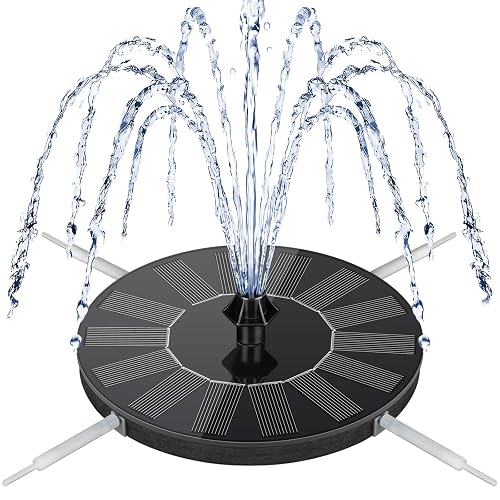
- Solar path lights: Simple to place along a walkway without trenching. View on Amazon
- Steel landscape edging: Keeps mulch and gravel in their beds. View on Amazon
Common Mistakes to Avoid
- Planting shrubs too close to the house. Allow room for mature width, usually 3 to 5 feet from the wall.
- Using too many plant varieties. Limit yourself to three to five types for a small bed.
- Skipping mulch. A 2- to 3-inch layer reduces weeds and keeps soil moist.
- Ignoring sightlines. Check the layout from the sidewalk and from a front window before you dig.
FAQ
How much of a small front yard should be planted?
Many designers leave about a third to half of the area as open lawn, gravel, or paving. This keeps the yard from feeling crowded and makes plantings look intentional.
What is the best focal point for a tiny front yard?
A small ornamental tree, a grouped set of containers, or a single piece of garden art works well. Place it where it catches the eye from the street.
Can I make a small front yard look bigger?
Yes. Use a curved path, repeat plants in drifts, keep colors within a narrow range, and avoid putting the tallest plants at the front. For more layout methods, see Small Yard Garden Design: 6 Steps to a Layout That Feels Bigger.
Conclusion
A small front yard rewards careful planning more than large budgets or big plants. Measure first, choose one design direction, and build a clear path with one focal point. Start with a simple planting plan and adjust once you see how the space works in daylight.
Related reading
- Backyard Landscaping Ideas Small Yards: 7 Designer Layouts That Work
- Backyard Landscaping Ideas Sloped Yard: 7 Designs That Work
- Garden Design Ideas for Front Yard: A Step-by-Step Guide for Beginners
- Tiny Backyard Landscaping Ideas: 7 Designer Layouts for Small Spaces
- Small Backyard Ideas Artificial Grass and Rock Landscaping: 6 Designer Layouts
Ready to choose one?
About Graham Fisher
Graham Fisher is part of our editorial team and reviews and edits our garden design & decor guides, checking product details against manufacturer specifications and owner feedback.