By Audrey Hayes
Updated November 2026
Good ideas for landscaping around pool areas balance three things: a comfortable deck, plants that behave near water, and a layout that stays safe and easy to maintain. This guide walks through how to plan those zones, choose materials and plants, and avoid the mistakes that make pool surroundings miserable to live with. You will finish with a clear plan you can sketch on paper before you buy anything.
Start With Zones, Not Plants
Divide the area into three zones before choosing a single shrub. The deck zone sits directly against the water and needs a non-slip, heat-tolerant surface. The transition zone runs roughly 3 to 6 feet out from the deck and handles drainage, splash and foot traffic. The perimeter zone marks the outer edge, where privacy plantings, fencing and shade structures go. Sketch these bands on a plan at scale, then fill them in.
Shopping for one? See our guide: 9 Best Landscaping Ideas Big Backyard Picks for Every Style (2026).
Choose Hardscape and Deck Materials
Pool surrounds take a beating from sun, chlorine and wet feet. Many manufacturers specify slip-resistant finishes with a textured surface for wet areas, and pavers or concrete with a broom or stamped finish are common choices. Keep light-colored materials in mind: dark stone can get hot enough to blister bare feet in full sun. Leave a gap of about 1/4 inch between pavers for drainage and to reduce cracking. Mixing a paver walkway with gravel or mulch beds creates visual rhythm without adding a lot of maintenance.
Plant Around the Pool Without Creating Problems
Plant choice matters more here than almost anywhere else in the yard. Favor plants that drop little debris into the water, such as ornamental grasses set back from the edge, and avoid large trees whose roots or leaves will foul the filter. Keep tall plantings at least a few feet back from the coping. Pick species that tolerate chlorinated splash and reflected heat, and place fragrant flowers where you will actually sit. Layer low groundcovers at the edge, mid-height grasses behind, and a single vertical accent such as a columnar shrub at the corners for structure.
- Edge zone: low, tight groundcovers or pebble borders
- Middle zone: clumping grasses and compact perennials
- Back zone: privacy hedges or screening plants, kept clear of the fence line
Plan Lighting, Shade and Privacy
Lighting does double duty here: it keeps people safe after dark and makes the water look good. Low-voltage path lights along steps and the deck edge work well, and uplights placed low on grasses or a sculptural plant add depth. Shade is equally important. A pergola or a sail shade over the lounge area cuts glare and heat, and a row of tall, narrow plants or a slatted fence can screen neighbors without blocking breezes. Check local codes for fencing height and pool barrier requirements before you build, and consult a licensed professional for any electrical work.
Compare Common Layout Approaches
| Approach | Best for | Maintenance level |
|---|---|---|
| Gravel and grass border | Simple, open yards | Moderate |
| Paver deck with planted beds | Entertaining and lounging | Low to moderate |
| Xeriscape with rock and succulents | Hot, dry climates | Low |
| Tropical planting with screening | Privacy and lush looks | Higher |
If you are working with a sloped lot, the approaches in Sloping Backyard Landscaping Ideas: 7 Designer Solutions That Work show how retaining walls and terraces can carry the same zone plan. For smaller footprints, Simple Landscaping Ideas for a Small Backyard: 6 Easy Designer Layouts covers compact arrangements that still feel generous.
Recommended gear
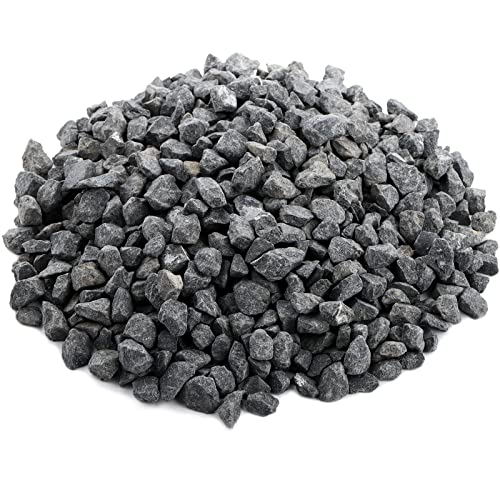
- Pool-safe edging helps keep gravel and mulch out of the water while giving the transition zone a crisp line. View on Amazon
- Low-voltage landscape lighting kit makes it easier to plan a safe, even lighting layout around steps and plantings. View on Amazon
- Pool-side shade sail adds midday shade over the lounge area without a permanent structure. View on Amazon
Common Mistakes and Tips
- Planting trees or shrubs too close to the coping, which leads to leaf litter and root issues.
- Skipping slip-resistant finishes on the deck because they look plainer on a sample board.
- Forgetting drainage: slope hardscape slightly away from the pool.
- Choosing dark stone in full sun, which can become uncomfortably hot.
- Ignoring access for pool equipment and maintenance when placing beds and walls.
FAQ
What plants are safe to use right next to a pool?
Low, tidy groundcovers and clumping ornamental grasses set back from the edge are generally practical choices. Avoid plants that shed heavy debris into the water, and confirm with a local nursery which species suit your climate.
How far should plants be from the pool edge?
Keep tall plants and trees well back from the coping, and reserve the first few feet for low, non-dropping plants or hardscape. Check your local pool barrier and setback rules before planting near the water.
Should I use gravel or pavers around a pool?
Pavers with a slip-resistant finish are easier to walk on barefoot and to keep clean. Gravel can work in the outer transition zone, but it can migrate into the pool, so use a border to contain it.
Conclusion
Plan your pool surround in zones first, then choose hardscape, plants and lighting that suit each one. Keep tall plantings and debris sources away from the water and prioritize slip resistance and shade. A clear sketch now will save you from costly changes later.
Related reading
- Landscaping Ideas for Backyard with Pool: 7 Designer Layouts (2026)
- Backyard Swimming Pool Landscaping Ideas: 7 Designer Layouts That Work
Ready to choose one?
About Audrey Hayes
Audrey Hayes is part of our editorial team and reviews and edits our garden design & decor guides, checking product details against manufacturer specifications and owner feedback.