By Graham Fisher
Updated November 2026
To design an English cottage garden, you layer flowers, herbs, and shrubs in loose, overlapping drifts along winding paths and soft-edged beds. This guide walks you through sketching the layout, choosing plant heights, and building a planting scheme that looks relaxed but stays under control. By the end, you will have a workable plan you can mark out on the ground this season.
Start With a Layout That Feels Relaxed
English cottage gardens look informal, but they rely on a clear structure. Sketch your plot to scale on graph paper, using one square for every square foot. Mark the house, existing trees, and the sunniest and shadiest zones. Then draw a main path, ideally 3 to 4 feet wide, that curves gently through the space. Curves hide the full garden at once and invite exploration.
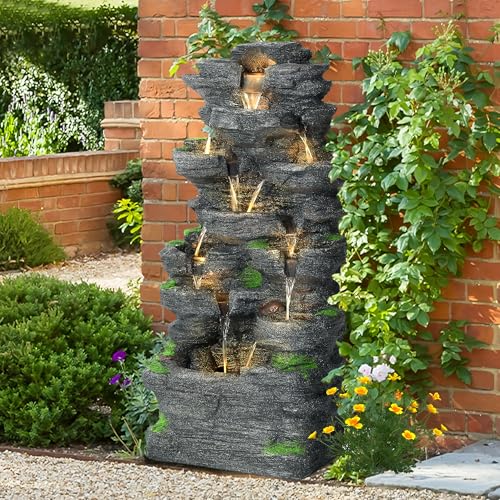
Shopping for one? See our guide: 7 Best English Gardens with Fountain Designs for Classic Yards (2026). If you want more background, see Raised Flower Garden Bed Ideas: 8 Designs That Work (2026).
Next, cut the beds so they flow along the path. Keep beds between 3 and 5 feet deep so you can reach the center from either side. Soft, rounded edges look more natural than sharp rectangles. If you have a fence or wall, plan a deep border against it, since the backdrop helps tall plants show their form.
Plan Plant Heights and Layers
Cottage gardens earn their fullness through height layers. Place the tallest plants, such as hollyhocks, delphiniums, or foxgloves, at the back of deep beds or in the center of island beds. Mid-height plants, around 2 to 3 feet, go in the middle band. Low edging plants, under 12 inches, line the path. Repeat each plant in groups of three or more so the planting reads as drifts instead of scattered specimens.
A simple way to check your scheme is to list every plant with its mature height and bloom season. Aim for at least one flower in every season, so something always has a turn in the spotlight.
- Spring: bulbs such as daffodils and tulips, plus early perennials like columbine.
- Early summer: peonies, foxgloves, and roses.
- Midsummer to fall: salvias, coneflowers, phlox, and asters.
- Winter structure: evergreen herbs, seed heads, and dark-stemmed shrubs.
Choose Plants and Arrange Them in Drifts
Classic cottage plantings lean on hardy perennials, self-seeding annuals, and fragrant herbs. Lavender, catmint, sage, and thyme work well along the edges. Roses, climbing vines, and clematis add vertical interest on arches and fences. Check each plant’s hardiness zone and sun requirement before buying, since mismatched plants struggle regardless of design.
Arrange plants in loose clusters rather than single rows. Let neighboring groups overlap at the edges, and allow a few self-seeding plants like love-in-a-mist or cosmos to pop up in gaps. A little untidiness is part of the look.
Add Structure, Paths and Finishing Touches
Structure keeps a cottage garden from looking chaotic. Use a trellis or arch at a path entrance, a low wooden bench, or a simple birdbath as focal points. Materials like brick, gravel, or flagstone suit the style. Mulch beds with shredded bark to suppress weeds and retain moisture between plantings.
For more ideas on pairing structure with plants, see Trellis Design for Garden: 7 Steps to a Structure That Works and Cottage Garden Design Plan: 7 Steps to a Layered, Blooming Border. If you want a comparison with other styles, Mediterranean Garden Design shows how a different palette and structure change the mood.
Sub-step: Mark the Beds Before You Plant
Lay out the bed outlines with a garden hose or rope, then step back from the house and from the path to check the view. Adjust the curves until each bed looks balanced from at least two angles.
Common Mistakes to Avoid
- Planting too densely at the start. Leave space for mature widths, or plants will crowd each other by midsummer.
- Using only one flower color. Mix blues, pinks, and whites with silver foliage for depth.
- Skipping edging. Low plants along the path keep the cottage look crisp rather than messy.
- Ignoring the bloom calendar. Gaps in June or October make the garden look empty.
- Overlooking soil. Most cottage perennials prefer well-drained, fertile soil; amend heavy clay with compost before planting.
Recommended Gear
- A sturdy hand trowel and bulb planter helps you set bulbs and perennials at the right depth. View on Amazon
- A soaker hose keeps water at the root zone, which suits dense cottage beds. View on Amazon
- A rustic metal trellis or obelisk adds height for climbing roses and sweet peas. View on Amazon
FAQ
How much sun does an English cottage garden need?
Most cottage favorites, including roses, delphiniums, and lavender, need at least six hours of direct sun. Shade-tolerant options like foxgloves, hostas, and ferns can fill the north-facing beds.
Can I create a cottage garden in a small yard?
Yes. Use one curved bed with a narrow path, and focus on three to five plant groups with a vertical element such as a trellis. Compact varieties help keep the layered look in limited space.
How do I keep a cottage garden tidy?
Deadhead spent blooms, stake tall perennials early in the season, and mulch to reduce weeds. Cutting back in late fall or early spring keeps the beds neat while leaving some seed heads for birds.
Conclusion
A well-designed English cottage garden balances loose planting with a clear layout. Start with curving beds and a defined path, plan plant heights and bloom times, and add structure to anchor the look. With these steps, your garden can grow into a layered display that changes with every season.
Related reading
Ready to choose one?
About Graham Fisher
Graham Fisher is part of our editorial team and reviews and edits our garden design & decor guides, checking product details against manufacturer specifications and owner feedback.