 By Audrey Hayes
Updated November 2026
Drought resistant landscaping ideas work best when they are built around a few sound principles: group plants by water needs, cover bare soil, and shape the site so rain stays where it falls. Follow the steps below and you will have a yard that looks intentional, holds moisture through a dry summer, and needs far less hand watering than a traditional lawn-and-border setup.
Start With a Site Assessment
Before you choose a single plant, spend a week observing your yard. Water tends to behave differently from one spot to the next, and those patterns should drive your design more than any catalog photo.
Shopping for one? See our guide: Ideas for Drought Tolerant Landscaping: 7 Best Designer Picks (2026).
- Sun exposure: Note where the ground gets six or more hours of direct sun. South- and west-facing slopes usually dry fastest.
- Drainage: After a heavy rain, check which areas pool for more than a few hours. Those low spots can host moisture-loving plants or serve as a rain garden.
- Wind: Exposed corners dehydrate plants quickly. Look for windbreaks such as a fence, wall or dense shrub row.
- Soil type: Dig a hole about 12 inches deep and fill it with water. If it drains in under an hour, your soil is sandy and fast-draining. If it takes a day, you have heavy clay that holds water but compacts easily.
- Existing features: Mark downspouts, hose bibs, irrigation lines and any mature trees whose roots you need to protect.
Sketch the results on graph paper at a scale of 1 inch to 4 feet. Shade the zones by sun and drainage. That sketch becomes the foundation for every layout decision that follows.
Group Plants by Water Needs With Hydrozoning
Hydrozoning means clustering plants with similar water requirements into the same zone, so each area can be irrigated on its own schedule. Without it, you end up either overwatering the drought-tolerant plants or starving the thirsty ones.
Most landscapes work well with three zones:
- High-water zone: Small, near the house or in a rain-collection low point. Use it for a few plants that need regular moisture, such as a vegetable bed or a container planting.
- Moderate-water zone: The transition area, often planted with perennials and ornamental grasses that need deep watering every week or two during dry spells.
- Low-water zone: The largest area, far from the house and irrigation heads. Plant it with natives and succulents that handle long dry stretches once established.
Label each zone on your sketch and set irrigation valves or drip lines to match. Keep the high-water zone small so it does not drain your water budget.
Build Your Planting Palette
Drought-tolerant does not mean monochrome or dull. Gray-leaved plants, silver foliage, fine-textured grasses and bold succulent rosettes give texture even in the hottest months. Choose plants adapted to your USDA hardiness zone and regional climate, and buy from local nurseries whenever possible, since their stock is already acclimated.
| Plant type | Role in the design | Typical water needs once established |
|---|---|---|
| Ornamental grasses (e.g., blue grama, switchgrass) | Movement and vertical accent | Low; deep watering every few weeks |
| Agave and yucca | Sculptural focal points | Very low; rain alone may suffice in many regions |
| Lavender and rosemary | Fragrance and pollinator habitat | Low; avoid overwatering |
| Native sages and penstemons | Seasonal color and wildlife value | Low to moderate |
| Sedums and other succulents | Groundcover and edging | Very low |
Check the mature size of every plant before you buy. Crowding is a common cause of stress, because overlapping roots compete for the same moisture.
Design Layouts That Hold Water
Create a Dry Creek Bed
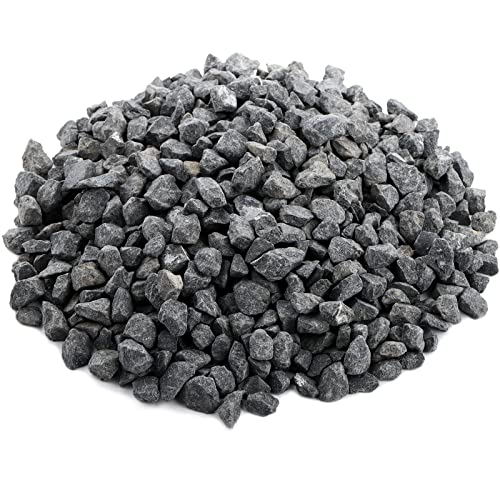
A dry creek bed is a shallow channel filled with river rock and cobbles that guides runoff from roofs and paths into planted areas. Dig the channel about 12 to 18 inches wide and 4 to 6 inches deep, line it with landscape fabric, and fill it with stones of mixed sizes. Curve it naturally and let it meander through the beds, with plants on either side.
Use Mulch Generously
Mulch is one of the most effective water-saving tools you have. Spread 2 to 3 inches of shredded bark, wood chips or gravel over exposed soil, keeping it a few inches away from plant stems and tree trunks. Organic mulch also breaks down over time and improves soil structure, while gravel suits succulent and Mediterranean beds.
Shape Grade and Berms
Slightly shape the ground so water flows toward planting beds rather than off the property. A gentle swale, a shallow depression about 6 inches deep, can catch runoff and let it soak in slowly. On slopes, terrace the beds with low walls or stacked stone to slow the water.
Replace Turf With Purposeful Hardscape
Lawn is the thirstiest part of most yards. Consider a small, functional patch of turf where kids or pets play, and replace the rest with gravel paths, stone pavers, decomposed granite seating areas or planted beds. Permeable paving lets rain soak in rather than running off.
Install and Irrigate Efficiently
Once your layout is set, install an irrigation system that delivers water to roots rather than the air. Drip irrigation with emitters is the standard choice for beds. Place emitters at the base of each plant, and check that the flow rate suits the soil: sandy soil needs more frequent, shorter runs, while clay needs slower, longer ones.
- Install a timer and a filter at the water source.
- Run supply lines along the planting beds and connect emitters or micro-sprayers.
- Water deeply but infrequently. Aim for the top 8 to 12 inches of soil to get wet.
- Adjust schedules by season, cutting back in cooler months and increasing only during heat waves.
Check the system monthly for clogged emitters, leaks and broken lines. A small problem left alone can waste a surprising amount of water.
Common Mistakes
- Planting too densely. Crowded plants compete for water. Follow the mature spacing on the tag, even if the bed looks sparse at first.
- Watering shallowly every day. Frequent light watering encourages shallow roots that dry out quickly. Water deeply and less often.
- Assuming “drought tolerant” means “no water.” New plants need regular watering for their first one to two seasons while roots establish.
- Skipping mulch. Bare soil loses moisture rapidly to evaporation and weeds.
- Mixing water zones. Putting a thirsty shrub beside a desert succulent means one of them will suffer.
- Ignoring drainage. Drought-adapted plants often rot in soggy soil, so amend heavy clay or raise beds where water pools.
Tips for Long-Term Success
- Collect rainwater from roofs with a barrel and use it for the high-water zone.
- Group bulbs and perennials that go dormant in summer so the bed still looks full.
- Leave fallen leaves and plant debris in place where possible. They act as natural mulch.
- Keep a simple garden journal noting when plants wilt, bloom and need water. Patterns will guide your schedule better than any calendar.
- Check local water-wise or xeriscape guidelines, which often list plants suited to your region.
Recommended gear
These supplies make the installation and upkeep described above much easier.
- Drip irrigation kit with emitters: Delivers water directly to roots and cuts evaporation loss compared with spray heads. View on Amazon
- Soaker hose: A simple way to water long, narrow beds slowly and evenly. View on Amazon
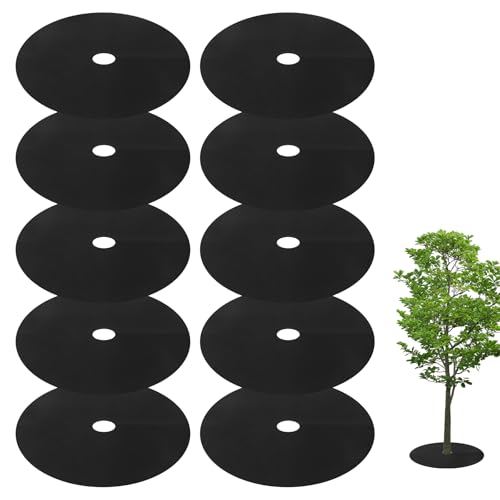
- Landscape fabric: Placed under gravel and dry creek beds to suppress weeds while letting water pass through. View on Amazon
- Rain barrel: Captures roof runoff for use in the high-water zone during dry weeks. View on Amazon
FAQ
How long do new drought-tolerant plants need regular watering?
Most perennials, shrubs and grasses need consistent water for their first one to two growing seasons while roots spread. After that, many can rely on deep, infrequent watering or rainfall alone, depending on your climate.
What is the best mulch for drought resistant landscaping ideas?
Shredded hardwood or bark mulch works well in beds with shrubs and perennials because it breaks down and improves soil. Pea gravel or crushed stone suits succulent and Mediterranean plantings, where organic material could hold too much moisture around the crowns.
Can I convert an existing lawn to a drought-tolerant landscape?
Yes. Many people remove turf in sections, starting with the least-used areas. Solarizing, sheet mulching with cardboard and compost, or using a sod cutter are common approaches. Work in stages so the transition does not overwhelm your schedule or budget.
How much water do drought-tolerant landscapes actually need?
Requirements vary widely by plant, soil and climate. Deep watering once every one to three weeks during hot months is a common starting point for established beds, but check the soil a few inches down before watering and adjust from there. Consult your local extension office for region-specific guidance.
Do I need professional help to design a water-wise yard?
Not always. Many homeowners handle the site assessment and planting layout themselves. For grading changes, retaining walls, large drainage projects or structural work near the house, consult a licensed landscape contractor or civil engineer.
Which plants are safest for pets and children?
Some succulents, agaves and yuccas have sharp points or sap that can irritate skin, and certain plants are toxic if eaten. Check the ASPCA’s plant toxicity database for pets and your regional poison control center’s guidance before planting in areas children or animals frequent.
Will drought resistant landscaping lower my water bill?
It can reduce outdoor water use considerably, especially when you replace turf and switch to drip irrigation. Actual savings depend on your previous habits, local rates and weather. Tracking your meter readings before and after the change gives you the clearest picture.
Conclusion
Drought resistant landscaping ideas come down to observing your site, grouping plants by water needs, covering the soil and irrigating with precision. Start with a sketch, build your zones, and expand the planting year by year. A well-planned yard can look lush and inviting while using a fraction of the water a conventional lawn requires.
Ready to choose one?
Related reading
About Audrey Hayes
Audrey Hayes is part of our editorial team and reviews and edits our garden design & decor guides, checking product details against manufacturer specifications and owner feedback.