 By Owen Palmer
Updated November 2026
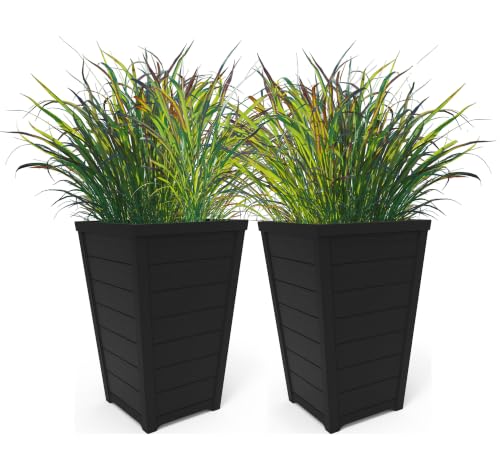
Extra large outdoor planters clearance sales can turn a bare patio into a real focal point, but only if the pot is the right size, sturdy enough for your climate and able to drain properly. This guide walks you through measuring your space, checking construction on discounted pieces and setting up a clearance planter so it looks deliberate from day one.
Start With Scale, Not the Sale Tag
Large planters earn their keep by anchoring a space. A common designer rule is that a planter should be at least one-third the height of the wall or fence behind it, and that a pair of pots flanking a door should each be roughly one-eighth to one-tenth the width of the entrance. Measure the footprint you have before you shop, then note the height limit of your porch or the weight your deck is rated to carry.
Shopping for one? See our guide: 4 Best Outdoor Plastic Planters Larges for Patios and Gardens (2026).
Once you have numbers, compare them with the planter’s listed dimensions. Clearance listings sometimes show only the rim diameter, so check the height and base size as well. A pot that looks generous in a photo can feel small against a 6-foot fence.
Judge Material and Construction
Clearance stock is often left over from a previous season, so inspect what you are buying. Look at the material first:
- Fiberglass and resin: light enough to move with two people and resistant to freeze-thaw cracking when well made.
- Concrete and stone-look composites: stable and heavy, ideal for windy sites, but they can crack if the wall is thin or the pot is dropped.
- Metal: handsome in modern gardens, though thin-gauge steel can rust at seams and welds.
- Plastic: the most forgiving budget option, usually the easiest to lift, but check for UV-fade and brittleness.
Press the sides and rim. Hollow thumps and flexing walls suggest thin material that will crack in winter. Check that seams are fully sealed and that handles or feet are attached securely.
Plan Drainage and Placement
Drainage is the detail most often skipped on clearance buys. Confirm that the base has at least one drainage hole, and plan for a saucer or feet that lift the pot slightly so water can escape. A planter with no hole can be fixed with a drill and a masonry bit on most materials, but test the material on a scrap piece first.
Before filling, decide where the planter will sit. Large pots are heavy when full, so place them on their final spot. If the pot will sit on a deck, a wood base or a sturdy platform spreads the load and protects the surface.
Fill and Finish
- Cover the drainage holes with mesh or a piece of broken pot, not gravel, which can clog the base.
- Fill the lower third with a lightweight, well-draining mix or filler material to cut weight.
- Add a potting mix suited to your plants, leaving about 1 inch below the rim for watering.
- Water thoroughly, then check after a day that the mix has settled and drained freely.
Checklist Before You Buy
- Measured height, width and footprint of the spot
- Confirmed drainage hole or a way to add one
- Material suited to your winter temperatures
- Checked seams, rim and feet for damage
- Confirmed return or exchange terms for clearance items
Common Mistakes
- Buying for the photo instead of the actual footprint and height.
- Skipping drainage because the pot looks decorative.
- Filling a large pot entirely with soil, which makes it too heavy to move.
- Leaving a resin or plastic pot in full sun without checking UV ratings.
- Overlooking the way a planter will stand in wind or on uneven ground.
Recommended Gear
A few supplies make large planters easier to fill and maintain. A rolling plant caddy lets you reposition a heavy pot without lifting it, which helps when you are testing different spots. View on Amazon
A lightweight potting mix for containers keeps the total weight down and drains better than garden soil. View on Amazon
A masonry drill bit set is useful if the pot needs a drainage hole added. View on Amazon
FAQ
Are clearance planters worth buying if they have cracks?
Small surface cracks in resin or fiberglass may be cosmetic, but any crack through the wall will let water in and freeze. Skip pieces with cracks that go through the material.
How much soil do I need for a large planter?
Fill the planter to about 1 inch below the rim, using filler in the lower third to reduce weight. Measure the volume of the pot first so you buy the right amount of mix.
Can I use a large planter on a wooden deck?
Yes, but use a base or platform to spread the weight and protect the boards. Check your deck’s load rating if the planter will be very heavy.
Conclusion
The best clearance buy is the one that fits your space, drains well and can handle your weather. Measure carefully, inspect the construction and plan for weight before you commit. A well-chosen large planter will look like a deliberate design choice for many seasons.
Related reading
- Large Outdoor Planters Clearance: How to Shop Smart and Pick Pieces That Last
- Large Outdoor Planters Black: A Designer's Guide to Size, Style and Placement
- Outdoor Planters for Christmas: A Designer's Step-by-Step Guide
- Fake Plants for Outdoor Planters: A Designer's Guide to Choosing and Styling
Ready to choose one?
About Owen Palmer
Owen Palmer is part of our editorial team and reviews and edits our garden design & decor guides, checking product details against manufacturer specifications and owner feedback.