 By Audrey Hayes
Updated November 2026
Landscaping around swimming pools ideas come down to three goals: keeping the deck safe and cool underfoot, screening the space so it feels private, and planting in a way that won’t shed debris into the water. This guide walks through how to plan those zones, which materials and plants hold up best, and how to avoid the mistakes that make pool surrounds feel cramped or hard to maintain.
Start With a Zone Plan
Before choosing any plants or pavers, sketch the pool and a band of about 6 to 10 feet around it. Mark the sun path across a typical day, the prevailing wind direction, and any fence or wall lines. Most pool decks need a clear walking path of at least 4 feet, and many building codes require a barrier and clear sightlines around the water, so check local rules before you commit to planting near fences or gates.
Shopping for one? See our guide: 9 Best Landscaping Ideas Big Backyard Picks for Every Style (2026).
Divide the surround into three zones: a hardscape zone for walking and lounging, a planting zone for softening edges, and a shade or feature zone for seating, umbrellas or a water feature. A simple zone plan keeps the design from becoming a patchwork of unrelated pieces.
Choose Hardscape That Stays Cool and Grippy
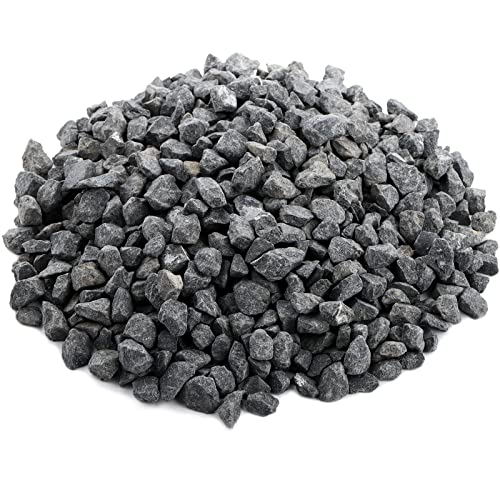
Deck material matters more than most homeowners expect. Dark stone and some concrete finishes can get uncomfortably hot in full sun, while very smooth finishes become slippery when wet. Look for textured or honed finishes with a slip-resistance rating, and lighter tones for hot climates. Pavers laid with narrow joints give a clean, modern line, while wider joints filled with fine gravel or low groundcover soften the look and let rainwater drain through.
Keep a 12-inch to 18-inch border of hardscape between the pool coping and any planting bed. That buffer keeps soil, mulch and leaves from washing into the water and gives you room to walk along the edge.
Plant for Low Debris and Easy Care
Plant choice is where many pool gardens go wrong. Trees that drop fruit, flowers, or fine needles will feed your skimmer and filter all season. Favor plants with tidy growth habits and minimal litter. Ornamental grasses, compact evergreen shrubs, and low perennials such as lavender or society garlic tend to stay neat and need less trimming near the water.
Plant in clusters rather than single specimens. Grouping three or five of the same plant creates a stronger visual rhythm and makes the bed easier to maintain. Keep taller plants on the north or west side of the pool so they don’t cast shade across the water in the afternoon.
Shade and Screening
A pergola, sail shade or a row of columnar shrubs can provide afternoon cover without blocking the view. For privacy along a fence, use layered planting: a tall backdrop, a middle layer of shrubs, and a low edge of groundcover. This approach reads as deliberate rather than crowded.
Add Lighting and a Focal Point
Low-voltage path lights along the deck edge improve safety after dark and show off the water. Uplighting a tree or sculptural plant from the far side of the pool adds depth without glare on the surface. A single focal point, such as a planter, urn, or small water feature placed at the end of a sightline, gives the eye somewhere to rest.
For more ideas on how lighting and features work within a small footprint, see Tiny Backyard Landscaping Ideas: 7 Designer Layouts for Small Spaces and Landscaping Ideas for Backyard with Pool: 7 Designer Layouts (2026).
Common Mistakes
- Planting trees with heavy leaf, fruit or flower drop within 15 feet of the water.
- Skipping a hardscape buffer, which lets mulch and soil wash into the pool.
- Using smooth, dark decking in hot, sunny spots.
- Placing bulky furniture or planters where they block the walking path or pool steps.
- Ignoring the sun path, so the deck is either blazing or permanently shaded.
Recommended Gear
- Pool skimmer net with a long pole: keeps fallen leaves and petals out of the water without wading in. View on Amazon
- Solar path lights: provide edge lighting along the deck without running wiring, which suits planting beds that get disturbed. View on Amazon
- Landscape edging with a steel or aluminum profile: keeps mulch and gravel contained between the planting zone and the hardscape buffer. View on Amazon
FAQ
What plants are safest to grow near a swimming pool?
Choose low, tidy plants that drop little debris, such as ornamental grasses, compact shrubs and low perennials. Avoid trees that shed fruit or heavy litter within about 15 feet of the water.
How wide should the area around a pool be?
Plan for a walking path of at least 4 feet around the water, plus a 12-inch to 18-inch hardscape buffer before any planting bed. Local codes may set additional requirements, so confirm with your building department.
Do I need lighting around a pool?
Lighting is strongly recommended for safety after dark. Low-voltage or solar path lights along the deck edge work well, and uplighting a feature plant adds visual interest.
Conclusion
Good pool landscaping balances safety, comfort and easy care. Plan your zones first, choose durable and textured hardscape, and select low-debris plants arranged in clusters. Build in a buffer, layer in lighting, and check local rules before you finalize the layout.
Related reading
- Backyard Swimming Pool Landscaping Ideas: 7 Designer Layouts That Work
- Backyard Above Ground Pool Landscaping Ideas: 7 Designer Layouts (2026)
- Small Backyard Ideas Artificial Grass and Rock Landscaping: 6 Designer Layouts
- Small Backyard Fire Pit Ideas Landscaping: 6 Designer Layouts That Fit (2026)
Ready to choose one?
About Audrey Hayes
Audrey Hayes is part of our editorial team and reviews and edits our garden design & decor guides, checking product details against manufacturer specifications and owner feedback.