 By Graham Fisher
Updated November 2026
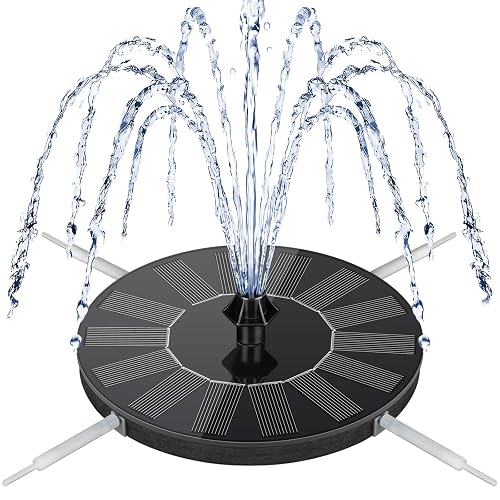
Learning how to make water fountain at home garden projects comes down to three things: a watertight basin, a submersible pump sized for the height you want, and a simple reservoir that keeps the water moving. You can build a basic tiered or bowl-style fountain in a weekend using common materials. The result is a quiet water feature that adds sound and movement to a patio, border or small corner of the yard.
Choose a Design and Basin
Start by deciding where the fountain will sit and how tall the spray should be. A spray that rises 6 to 12 inches suits a small pot or bowl, while a tiered design can reach 2 feet or more. Keep the fountain at least 3 feet from walls or fences so splashing does not stain surfaces.
Shopping for one? See our guide: How to Make Garden Fountain: 5 Best Books and Guides Compared (2026).
Your basin can be a large glazed planter, a galvanized stock tank, or a shallow concrete bowl. Whatever you choose, make sure it holds water without leaking. Measure the basin so the pump sits fully underwater with room to spare, and check that it sits on level ground.
Set Up the Pump and Plumbing
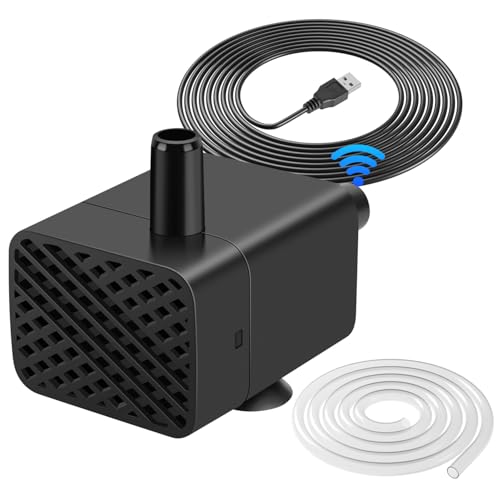
A small submersible pump is the heart of the project. Look for one rated for outdoor use and matched to the head height (the vertical distance from the water surface to the top of the spray). Manufacturers typically list maximum lift and flow, so compare those figures against your design before buying.
- Place the pump in the lowest part of the basin, standing it on a couple of bricks so the intake stays clear of silt.
- Attach the vinyl tubing to the pump outlet and run it up to the spray nozzle or top tier.
- Secure the tubing with hose clamps, and route it so it does not kink.
- Fit a fountain head or nozzle at the top to shape the spray.
- Run a power cord through a GFCI-protected outlet, and keep all connections above the waterline.
Electrical work near water carries real risk. If you are not comfortable wiring an outdoor outlet, consult a licensed electrician before you plug anything in.
Fill, Test and Finish the Fountain
Fill the basin with water and run the pump for 10 to 15 minutes. Watch for leaks at the tubing joints and check that the spray lands inside the basin. Adjust the nozzle until the water falls neatly back into the reservoir rather than onto the ground.
Once the fountain runs cleanly, you can add decorative finishing touches. Smooth river stones or pebbles hide the pump and tubing, and a few aquatic plants can soften the edges. Keep the water level topped up, since evaporation in summer can drop it quickly.
Common Mistakes to Avoid
- Choosing a pump with too little lift for the height you want, which produces a weak spray.
- Placing the pump directly on the basin floor, where debris can clog the intake.
- Skipping a GFCI outlet, which is a basic safety requirement for outdoor water features.
- Letting the water level drop below the pump intake, which can damage it.
- Forgetting to clean the basin regularly, since algae and debris build up quickly in standing water.
Recommended Gear
- Submersible fountain pump: A pump rated for outdoor garden use is the most important part of the build, and matching its lift to your design keeps the spray steady. View on Amazon
- Vinyl tubing with hose clamps: Flexible tubing connects the pump to the nozzle and holds up well to continuous water flow. View on Amazon
- GFCI outlet cover: A weatherproof cover protects the plug connection from rain and splashing. View on Amazon
FAQ
How deep should the fountain basin be?
A basin around 12 to 18 inches deep is typically enough to hold a small pump and keep the water level stable. Deeper basins hold more water and slow evaporation.
Can I use a regular garden hose instead of a pump?
No. A garden hose connected to a tap will overflow the basin and waste water. A recirculating pump is needed to lift water and return it to the reservoir.
How often should I clean a home fountain?
Many owners clean the basin every few weeks during the growing season and drain it completely at least once a year. Regular cleaning keeps the pump running smoothly and limits algae growth.
Conclusion
With a sound basin, a properly matched pump and a safe electrical setup, you can build a water fountain that suits your garden. Start small, test thoroughly and adjust the spray until it sounds and looks right. A finished fountain can become one of the most relaxing features in the yard.
Related reading
- Water Bowl Fountain Garden Review: Is It Worth It?
- Top 7 Stone Water Fountains for Garden Picks with Lights and Cascades
- Top 5 Fairy Garden Water Fountain Picks for Small and Large Yards
- Rock Garden Fountain Ideas: 6 Designer Layouts for Natural Water Features
- How to Clean a Garden Fountain: 5 Best Cleaners and Treatments (2026)
- How to Build Garden Fountain: 5 Best Books for DIY Projects (2026)
Ready to choose one?
About Graham Fisher
Graham Fisher is part of our editorial team and reviews and edits our garden design & decor guides, checking product details against manufacturer specifications and owner feedback.